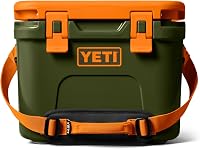
YETI vs RTIC Coolers: Is the YETI Worth the Extra Money? (October 2026)
For YETI vs RTIC, choose the YETI Tundra 45 for organized packing and secured transport, or the RTIC 65 Ultra-Tough for larger group loads. Neither model has an established ice-retention advantage under matching conditions.
On this page (9 sections)
- YETI vs RTIC: which cooler fits your trip?
- Who should buy the YETI Tundra 45, and who should skip it?
- Who should buy the RTIC 65 Ultra-Tough, and who should skip it?
- Does either cooler have a clear ice-retention advantage?
- How should you pack either cooler before leaving?
- Which works better for camping, fishing and tailgates?
- What mistakes should you avoid with either cooler?
- How do you clean and store these coolers?
- YETI vs RTIC: which is worth buying for your next trip?
For YETI vs RTIC, choose the YETI Tundra 45 for organized packing and secured transport, or the RTIC 65 Ultra-Tough for larger group loads. Start with your usual food, drinks and ice, then check the space and lifting effort each cooler requires.
These are different-sized coolers, so this comparison doesn't settle which brand wins across every model. It helps you choose between a smaller cooler with useful storage features and a larger chest for shared supplies.
Neither has an established ice-retention advantage under matching conditions. Choose around the jobs you need the cooler to do, rather than a brand name or a maximum-duration claim.


YETI vs RTIC: which cooler fits your trip?
Choose the YETI for a manageable smaller load and the RTIC for more shared supplies, provided each fits your transport plan. The route from your parking spot to your destination matters as much as the room inside.
A cooler that stays beside a parked truck has a different job from one carried down a dock. Decide where yours will sit, how often you'll move it and who will help before choosing.
YETI vs RTIC capacity: compare food and ice, not just cans
The RTIC has 65 qt capacity and room for up to 84 cans, while the YETI holds 26 cans with a 2:1 ice-to-contents ratio or 54 without ice. RTIC's maximum can count doesn't specify the same ice allowance.
Those figures cannot tell you how many chilled drinks each will carry under identical conditions. Plan the ice first, then see how much room remains for your actual supplies.
Don't read the Tundra 45 name as a confirmed usable quart capacity. Likewise, don't turn either can count into a meal estimate without allowing for food containers, bottles and ice.
For a useful packing check, gather the containers you normally take. A tall juice bottle, a wide lunch box and loose cans use space differently, even when their total volume looks modest.
Use our guide to choosing a cooler size if you're still deciding how much room your trips require. Build around your normal outing rather than the biggest gathering you might host once.
Check container fit before choosing either cooler
The YETI's interior measures 18.3 x 9.4 x 10.7 in, while RTIC gives 24.75 x 11.75 x 13 in for its interior. Compare these spaces with the containers you need to keep upright.
Measure bottle caps and container lids too. Leave room around food for ice instead of planning a tight stack that fills every inch with warm supplies.
For short trips, smaller containers can make packing easier than one large tub. Keep anything that must stay dry in a sealed container, even when it sits above the ice.
Who should buy the YETI Tundra 45, and who should skip it?
Buy the Tundra 45 for smaller outings where organization and secure transport matter. Skip it when your regular group load needs more room or when carrying a hard chest is the main problem.
Its included dry goods basket gives snacks a place above meltwater. That helps when you want sandwiches or packaged food within reach without burying them among drinks.
The basket also takes up room you might otherwise use for taller items. Plan your layout with the basket in place if keeping dry food separate is a main reason to choose this model.
Molded tie-down slots accept straps or rope for a truck bed or boat deck. Secure the cooler to suitable anchor points and position it so you can open the lid without unloading nearby gear.
The gasketed Vortex drain is designed to empty the cooler without tipping. That is useful when you want to drain it in place rather than lift a partly filled chest.
The YETI Tundra 45 review takes a closer look at its storage and transport features. Choose it because those details solve your packing problems, rather than expecting a smaller cooler to cover every group trip.
Skip this model if its appeal depends on an assumed ice-life lead. The available claims don't establish that it outlasts the RTIC under the same conditions.
Who should buy the RTIC 65 Ultra-Tough, and who should skip it?
Buy the RTIC for larger shared loads with a practical carrying plan. Skip it for light everyday outings if the extra space means more bulk to move and store.
Its larger interior gives you more options for separating meal ingredients and drinks. That room is most useful when your usual supplies would crowd a smaller cooler after adding ice.
For camping, plan meals before loading the chest. Group ingredients by meal so you can remove what you need in one opening instead of searching through bags.
The RTIC weighs 34.4 lb empty and measures 31.58 x 17.64 x 16.66 in outside. Allow for the cargo opening, nearby gear and enough overhead space to raise the lid.
If you expect to move it full, arrange help before packing. Lift it empty into its final spot where practical, then add supplies there.
RTIC says this cooler can also serve as a bench, step stool or tabletop. Follow its use instructions and don't infer a load limit from the size or shell.
Skip it if you have a long walk from the vehicle or limited storage at home. Our cooler guide explains other hard, wheeled and soft options when carrying style matters more than brand.
Does either cooler have a clear ice-retention advantage?
There is no established winner under matching conditions. RTIC claims up to 7 days when you follow its cooling tips, while YETI provides no comparable duration here.
The YETI has up to 3 in of PermaFrost insulation and a freezer-style rubber gasket. The RTIC has up to 2.4 in of closed-cell foam insulation and a freezer-style gasket.
Wall thickness alone cannot rank the coolers' ice life. Starting temperature, ice quantity, sun exposure and repeated openings all affect what happens during your trip.
A maximum-duration claim also doesn't tell you how much usable ice will remain after frequent drink stops. Plan for your actual access habits and a way to replenish ice on longer outings.
Our guide to how long ice lasts in a cooler explains the main variables. For trips where ice supply is the deciding issue, compare the options in our ice-retention guide.
How should you pack either cooler before leaving?
Pre-chill the cooler and its contents, then load enough ice for the trip. Starting with a warm chest and warm drinks uses some of your ice just to cool the load.
Cool the empty chest first
Place the cooler somewhere cool before packing and use spare ice to bring down the interior temperature. Remove that preparation ice and meltwater before loading fresh trip ice.
Chill drinks and suitable food in the refrigerator beforehand. A cooler slows warming, so it works best when you aren't asking the ice to chill everything from room temperature.
Pack in the order you'll use things
Put later meals lower down and keep the next meal or most-used drinks easy to reach. Fill awkward gaps with ice rather than leaving large empty spaces.
YETI recommends a 2:1 ice-to-contents ratio for the stated chilled-can capacity. Plan around that allocation if you're using its can figure to estimate your load.
Keep raw food in sealed, leakproof containers away from ready-to-eat items. A basket provides separation from meltwater, but it doesn't replace a secure lid or wrapper.
Set up access before the first stop
Place either cooler in shade where possible and keep the lid fully closed between openings. Check that food packaging isn't caught across the gasket.
Agree on a packing layout with the people sharing it. Knowing where lunch and drinks sit saves repeated searches, especially when several people reach into the same chest.
If drinks will be opened constantly, consider keeping them separate from meal supplies when you have another cooler available. Our guide to keeping ice longer covers more packing and use tips.
Which works better for camping, fishing and tailgates?
Choose by load, access and carrying route, rather than assuming one model suits every outdoor activity. Both are hard coolers, but their size and storage details favor different routines.
Camping with shared meals
The RTIC makes sense when several people share one food supply and you can keep it near the vehicle. Sketch out the meals first so extra space serves a clear purpose.
The YETI fits smaller outings where you want dry snacks easy to reach. If your meal containers crowd the ice out, reduce the load or choose more room.
Monitor perishable food with a thermometer. Remaining ice alone doesn't show that every part of the food load has stayed at a safe temperature.
Fishing and boat trips
The YETI's tie-down slots make it a practical choice when securing the chest is central to your setup. Check deck clearance and keep the lid accessible after fastening it.
RTIC also describes its cooler as suitable for boat use. Plan its position and securing method before bringing it aboard, especially when deck space is shared with other equipment.
Keep fishing supplies and food for eating separate to make cleanup easier. Our coolers for fishing and boats guide covers other options for different boat layouts and loads.
Tailgates and day gatherings
The RTIC suits a larger shared supply when you can unload close to the gathering. The YETI suits a smaller load where you want snacks organized separately from drinks.
Count the people and the hours you need to cover before packing. Carrying excess drinks and food adds weight you must lift again when the gathering ends.
What mistakes should you avoid with either cooler?
Avoid buying around maximum can counts, ignoring the loaded lift and overfilling with supplies. Those choices can leave you with too little ice or a chest that's awkward to use.
A common size mistake is measuring the vehicle's cargo floor but forgetting the opening. Check the narrowest point the cooler must pass through, plus room for your hands during the lift.
YETI's published empty-weight and exterior-dimension figures conflict. Confirm both before ordering if a tight space or lifting limit determines whether it will work.
Another mistake is packing food right to the lid. Leave enough clearance for the gasket to meet cleanly and the latches to close as intended.
Both models use rotomolded construction, but that doesn't make their capacity, features or food-storage approvals identical. Our guide to what a rotomolded cooler is explains the shell construction.
YETI describes the Tundra as bear resistant. Check the rules for your destination and any required securing equipment rather than treating that wording as permission to leave food anywhere.
How do you clean and store these coolers?
Empty, hand-wash and dry the cooler fully before storage. Leaving food residue or trapped moisture inside makes the next outing harder to prepare for.
Use mild soap, water and a soft cloth or brush for routine cleaning. Rinse the interior, basket where included, and drain area so soap and food bits don't remain behind.
Clean spills promptly, especially around the gasket and lid edges. Avoid scraping sealing surfaces with sharp tools.
Let the interior and drain area dry completely with the lid open. Refit parts according to the cooler's instructions once they're clean and dry.
Before the next trip, check the drain plug, gasket and closure for debris or damage. Our cooler cleaning guide covers deeper cleaning and lingering smells.
YETI vs RTIC: which is worth buying for your next trip?
Choose the YETI Tundra 45 if your regular load fits and you'll use its organized storage and securing features. Choose the RTIC 65 Ultra-Tough if extra room solves a recurring group-trip problem and you can manage the filled chest.
If the YETI costs more when you compare offers, pay the difference only for features you'll use. Our YETI value guide helps with that broader brand decision.
Skip both if your usual outing calls for a small, easy carry. The YETI Roadie vs Tundra comparison and our YETI alternatives offer other directions to consider.
The final YETI vs RTIC decision should pass 3 checks: your load fits with ice, the cooler fits your space, and you can move it safely. Use YETI cooler sizes explained if size is the last point holding up your choice.
Frequently asked questions
Is YETI better than RTIC?
YETI is the better fit here for buyers who want organized storage and tie-down slots; RTIC suits larger shared loads. These are different-sized models, so they don't settle which brand is better overall.
Choose the cooler that fits your food, drinks, ice and carrying route.
Does the RTIC 65 hold more than the YETI Tundra 45?
The RTIC offers more packing room, but the can counts use different conditions. RTIC gives a maximum of 84 cans without a stated ice allowance.
YETI gives 54 cans without ice or 26 with a 2:1 ice-to-contents ratio, so don't compare 84 directly with 26.
Which cooler is lighter, YETI or RTIC?
The YETI has lower published empty-weight figures, but those figures conflict, so confirm its weight if lifting is a deciding factor. The RTIC weighs 34.4 lb empty.
For either model, plan around the filled load and the hardest lift, such as getting it over a vehicle's cargo lip.
Does RTIC keep ice as long as YETI?
There is no established ice-retention winner between these models under matching conditions. RTIC claims up to 7 days when its cooling tips are followed; YETI gives no comparable duration here.
Pre-chilling, starting temperatures, ice quantity, shade and lid openings all affect how much ice remains during a trip.
Which is the better value, YETI or RTIC?
YETI offers better value for buyers who will use its basket, tie-down slots and draining setup. RTIC offers better value when extra packing room solves a real group-trip need.
Compare current offers only after checking fit and carrying needs, since unused capacity or unwanted features add little value.