YETI Roadie vs Tundra: Which One Fits Your Trips? (October 2026)
For YETI Roadie vs Tundra, choose the Roadie 24 for short carries and behind-the-seat storage. Choose the Tundra 45 for a camp food setup with a dry goods basket and tie-down slots.
On this page (10 sections)
- YETI Roadie vs Tundra: which should you choose?
- How do their sizes and usable space compare?
- Who should buy the Roadie 24, and who should skip it?
- Who should buy the Tundra 45, and who should skip it?
- Which cooler is easier to move and secure?
- Will the Tundra keep ice longer than the Roadie?
- How should you pack either cooler before a trip?
- What common mistakes make either cooler less useful?
- How do you drain, clean and store them?
- Which YETI should you choose for your next trip?
Choose the Roadie 24 for car picnics and short carries, or the Tundra 45 for organized camp meals and secured cargo. This YETI Roadie vs Tundra comparison covers the Roadie 24 2.0 with a shoulder strap and drain plug, alongside the Tundra 45.
Start with your usual trip rather than your longest possible outing. A cooler that fits your vehicle, holds your planned meals with ice and reaches the picnic table without a difficult carry is the more useful choice.

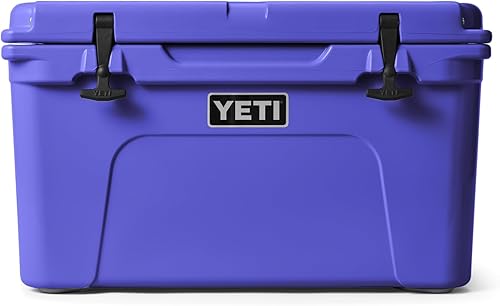
YETI Roadie vs Tundra: which should you choose?
Pick the Roadie for a cooler you move during the day and the Tundra for a cooler you set up as a food station. Their carrying and storage features point toward those different routines.
The Roadie makes sense for a couple bringing lunch and drinks on a drive, or for someone carrying a cooler from a parking spot to a nearby table. Its shoulder strap gives you a carrying option when your hands also need to manage smaller bags.
The Tundra suits a campsite where breakfast, lunch and dinner share the same cooler. The basket gives you a place for snacks above meltwater, while tie-down slots help when the cooler travels in an open cargo area.
Neither choice should start with an assumed number of days between ice stops. Your load, weather, opening habits and access to fresh ice all affect the result.
For the wider brand range, see YETI cooler sizes. If you're still deciding between hard, soft and wheeled designs, our guide to camping coolers explains those choices.
How do their sizes and usable space compare?
Measure the vehicle first, then plan the contents. Exterior fit and usable food space are separate checks, and passing one doesn't mean the cooler passes both.
The Roadie measures 14.1 inches deep, 16.6 inches wide and 17.4 inches high. Its behind-seat design can leave other cargo areas available, provided your seat position and footwell shape allow it.
Measure with the front seat set for the person who normally uses it. Check the narrowest opening along the loading path, including any trim or seat hardware that could block the cooler.
A cooler can fit on the floor yet be awkward to use there. Leave room to reach it, open the lid or lift it out without moving several other bags.
For the Tundra, confirm exterior dimensions and empty weight before buying, especially if your cargo space is tight. Also check the room needed to reach the drain and release any straps after arrival.
What do YETI Roadie vs Tundra capacity figures mean?
The Roadie's 26-pound capacity and the Tundra's can counts aren't equal measures. The Tundra holds 26 cans with a 2:1 ice-to-contents ratio, or 54 cans without ice.
The no-ice count describes container space, not a ready-to-travel cold load. Don't build a trip plan around that larger number unless you have another way to keep the contents cold.
Food also packs differently from cans. A rigid lunch box, a tall bottle and several meal containers can leave gaps that loose drinks wouldn't, so make a sample layout before committing to a size.
The Tundra's stated interior height is 10.7 inches, which matters if you want bottles upright. Measure the full bottle, including its cap, and remember that ice also needs space.
Our guide to how many cans fit in a cooler explains why can counts change with the packing method.
Who should buy the Roadie 24, and who should skip it?
Buy the Roadie for nearby outings where carrying convenience and vehicle placement matter most. It's a sensible match for picnic lunches, roadside stops and drinks that travel with you between short activities.
The DoubleDuty shoulder strap and LipGrip handles give you different ways to move it. Use the handles when lifting between levels, then use the strap for a manageable walk on clear ground.
A shoulder carry keeps the load close to your body, but the full cooler still needs to feel comfortable. Lift carefully, keep your route clear and avoid taking a heavily packed cooler farther than you can manage.
The Roadie also suits buyers who want their food close to the passenger area rather than buried under luggage. Keep it accessible during stops without blocking foot space needed by a passenger.
Skip it if your main need is a shared camp pantry and you want the Tundra's included basket. Choose around the meals you need to store, rather than expecting a carrying strap to solve a packing problem.
Also skip this style of cooler if every outing involves a long walk across a campground or beach. Our guide to the best wheeled coolers is a better starting point when moving the load is your biggest concern.
Who should buy the Tundra 45, and who should skip it?
Buy the Tundra for camp meals, fishing weekends and travel that calls for tie-down points. Its storage layout is useful when several kinds of food need to share one cold space.
Put delicate snacks in the dry goods basket and keep leak-prone foods in sealed containers below. The basket helps with separation, but it doesn't make paper wrappers or bread bags waterproof.
For truck beds and boat decks, the molded slots accept straps or rope. Plan the strap path before loading other gear so you can still open the lid and reach the drain when you stop.
Skip the Tundra if most outings involve a small lunch and a difficult carry. A camp-oriented layout adds little value if you don't need food organization or secure attachment points.
It also isn't a reason to pack more than you need. Extra drinks and bulky packaging increase the load you must lift, even when the trip only calls for a few hours away from home.
For more options built around outdoor meal storage, see our camping cooler guide.
Which cooler is easier to move and secure?
The Roadie addresses carrying, while the Tundra gives you clear attachment points for transport. Decide separately how you'll lift the cooler, carry it and keep it in place during travel.
The Roadie's Bearfoot non-slip feet help prevent sliding on a boat or in the backseat. Friction alone doesn't replace securing a load where movement during travel could cause trouble.
With either cooler, place it where it can't shift into people or loose gear. Keep heavy cargo low and avoid a setup that requires lifting the packed cooler over a tall stack of bags.
For the Tundra, use straps or rope suited to the vehicle and load. Check the attachment points and strap tension before leaving, then inspect them again after rough travel.
Think through arrival as carefully as departure. Park close enough to unload safely, choose a clear place to set the cooler and avoid carrying it while stepping over tent lines or slippery rocks.
Will the Tundra keep ice longer than the Roadie?
The available facts don't support a fixed ice-retention winner or a day count. Both use rotomolded construction, polyurethane foam insulation and PermaFrost insulation, but that doesn't establish equal performance.
The Tundra has up to 3 inches of PermaFrost insulation and a freezer-style rubber gasket. Those features help explain its focus on keeping cold inside, but they don't turn every packing setup into the same result.
A warm cooler filled with room-temperature drinks gives the ice more heat to absorb from the start. Opening the lid often adds another burden, especially when people search through the contents.
Choose capacity and layout first, then use good packing habits. Don't buy either cooler on the assumption that insulation can replace enough ice.
Read how long ice lasts in a cooler for the main factors that change melt time. For their shared shell design, see what a rotomolded cooler is.
How should you pack either cooler before a trip?
Pre-chill the cooler and its contents, then pack for the order you'll use them. This gives your ice less cooling work and makes food easier to find.
Start by cooling the inside with spare ice or another suitable cold source. Remove that preparation ice as needed before adding the ice and food intended for the trip.
Chill drinks and prepared meals in the refrigerator first. Frozen food can join the load when it fits your meal plan, but don't rely on a cooler to quickly chill warm ingredients.
Remove bulky outer packaging while keeping food labels or preparation notes you need. Use sealed containers that pack closely together without crushing soft foods.
Put later meals lower down and the next meal within easy reach. Keep frequently requested drinks together so each stop doesn't become a search through the entire cooler.
Use the Tundra basket for items you need to protect from meltwater. In either cooler, separate raw foods from ready-to-eat snacks and use leakproof containers rather than relying on wrappers.
Fill gaps with suitable ice instead of leaving large empty pockets. Keep enough room for the lid to close fully without forcing it against a bottle or overfilled container.
For more preparation advice, read how to keep ice longer in a cooler. If food safety matters to your trip, use a thermometer to check the cold space rather than judging it only by visible ice.
What common mistakes make either cooler less useful?
Overpacking, poor access and a difficult carrying route cause problems that insulation can't solve. Plan those details before choosing a model.
One mistake is buying for the largest trip you might take instead of the trips you take most often. An oversized load plan can turn a simple lunch stop into a heavy lift.
Another is counting every part of the interior as food space. Ice, sealed containers and the shapes of your bottles all affect what fits.
Don't pack the first meal beneath everything else. Repeatedly removing food to find one item wastes time with the lid open and leaves loose containers to repack.
Avoid loading gear tightly against the lid or drain. You should be able to reach the cooler during a stop without unloading the whole vehicle.
Finally, don't confuse a tough shell with permission to handle food carelessly. Keep raw-food leaks contained, close the lid promptly and return unused food to proper cold storage after the trip.
How do you drain, clean and store them?
Use the drain plug for meltwater, then wash and dry the cooler before storage. The Roadie has a Bestdam Drain Plug, while the Tundra's Vortex Drain System uses a gasketed plug designed to drain without tipping.
Park or set the cooler where water can drain safely. Keep the outlet away from sleeping areas, walkways and anything you don't want wet.
After unloading, remove crumbs and food residue with mild soap, water and a soft cloth. Follow YETI's care directions for stubborn stains and avoid tools that could damage sealing surfaces.
Clean the lid edge and drain area as well as the main compartment. Check for trapped debris before closing the plug for the next trip.
Let the inside dry fully with the lid open before putting it away. Our guide to cleaning a cooler and removing smells covers a more thorough cleanup when a quick wash isn't enough.
Which YETI should you choose for your next trip?
For YETI Roadie vs Tundra, pick the Roadie when most trips mean lunch, drinks and a short walk from the car. Pick the Tundra when your cooler needs to serve as an organized camp food station and travel secured among other gear.
Before ordering, write down one normal trip's food and ice load, measure the vehicle space and trace the unloading route. That simple check is more useful than choosing by model number or an assumed ice-retention advantage.
Read our YETI Roadie 24 review for a closer look at the carrying setup. If camp storage matches your routine, continue with our YETI Tundra 45 review.
Frequently asked questions
Is the YETI Roadie 24 or Tundra 45 bigger?
Don't compare their size by model number alone. The Roadie has a 26-pound capacity figure, while the Tundra holds 26 cans with a 2:1 ice-to-contents ratio.
Those measures aren't interchangeable, so compare your actual food load and confirm exterior measurements before deciding which fits your vehicle.
Which YETI cooler is easier to carry?
The Roadie 24 is the better match when you specifically want a shoulder strap for short carries. Its LipGrip handles give you another way to lift it.
A strap doesn't establish a weight advantage, though, so include the weight of ice, drinks and food when planning your route.
Which cooler should I take camping?
Choose the Tundra 45 for a camp setup where the included basket helps organize food and tie-down slots help secure the cooler during travel. Choose the Roadie 24 when behind-seat storage and short carries matter more.
Plan your meals and ice together before deciding either cooler has enough room.
Can the Roadie 24 fit behind a car seat?
The Roadie 24 is designed for behind-seat storage, but fit depends on your vehicle and seat position. It measures 14.1 inches deep, 16.6 inches wide and 17.4 inches high.
Measure with the seat in its normal position, then allow space to lift the cooler out and reach the lid.
Does the Tundra 45 include a basket?
Yes, the Tundra 45 includes a dry goods basket for keeping snacks above meltwater. Use sealed containers for anything that could leak or become soggy, since the basket isn't a waterproof compartment.
Pack frequently used items where you can reach them without removing the rest of your food.


