What Is a Rotomolded Cooler?
A rotomolded cooler is a hard cooler whose plastic shell forms inside a heated, rotating mold. Its one-piece body reduces joined seams, but insulation, lid seals, and packing determine how well it holds cold.
On this page (8 sections)
- What is a rotomolded cooler made of?
- Do rotomolded coolers keep ice longer?
- Which of these coolers fits your trip?
- How is a rotomolded cooler different from a regular hard cooler?
- What should you measure before buying?
- How should you set up and pack a rotomolded cooler?
- What mistakes shorten ice life or damage a cooler?
- Is a rotomolded cooler right for your trip?
A rotomolded cooler is a hard cooler with a plastic shell formed inside a heated, rotating mold. The process creates a one-piece body with fewer joined seams, making it useful for frequent outdoor use.
The word describes construction, not a promise about ice life. Before buying, match the cooler's usable space, loaded weight, insulation, and carry needs to the trips you actually take.
What is a rotomolded cooler made of?
A rotomolded cooler has a molded plastic shell, often polyethylene, with insulation between its inner and outer walls. The shell takes impacts, while the insulation slows heat entering the storage space.
Plastic goes into a mold that heats and rotates on multiple axes. As the material softens, it coats the inside; cooling then sets the hollow shape.
The main body forms as one piece, but the cooler still has separate parts. A cracked drain fitting, damaged gasket, or loose latch can cause trouble even when the body remains sound.
What does one-piece construction mean for a rotomolded cooler?
One-piece construction means fewer joints in the main body where separate panels would otherwise meet. It doesn't mean the lid and body are one part, or that the cooler can't be damaged.
Check the whole design, including the hinge, handles, latches, and drain. A strong shell won't make a cooler convenient if its handles are awkward for your usual carry.
Do rotomolded coolers keep ice longer?
Rotomolded coolers can hold ice well when they combine thick insulation and a tight lid seal. Rotomolding itself doesn't keep food cold; it creates the shell that supports those features.
Compare insulation and seals before focusing on a brand's maximum-day claim. Outdoor temperature, ice quantity, warm contents, and repeated openings all affect the result.
More insulation also takes up space inside the cooler's outer footprint. A bulky cooler may hold less food than you expect once you leave room for ice.
For packing habits that make a difference, read how to keep ice longer in a cooler. Our guide to how long ice lasts in a cooler explains why trip conditions change the estimate.
Which of these coolers fits your trip?
The YETI suits vehicle-based weekends, the larger RTIC suits group loads, and the smaller RTIC suits easier carrying. The Ultra-Light is an alternative to rotomolded construction, so don't choose it expecting the same shell design.
YETI Tundra 45: for camping and fishing near your vehicle
The Tundra 45 fits buyers who want insulated storage with a way to separate snacks and secure the cooler. It combines rotomolded construction, up to 3 inches of insulation, a freezer-style gasket, and molded tie-down slots.
It holds 26 cans with a 2:1 ice-to-contents ratio, and its included dry goods basket keeps food above meltwater. That makes it a useful choice for mixed food-and-drink packing rather than drinks alone.
Choose it for camping or fishing when the cooler can stay near your vehicle or on a secured deck. Skip it if your main need is carrying a few drinks a long distance, and check bottle fit against its 10.7-inch interior height.
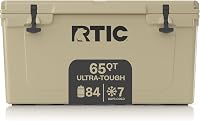
RTIC 65 Ultra-Tough: for group food and drink loads
The RTIC 65 Ultra-Tough suits groups that need more packing room and can arrange a shared lift. Its 65 qt capacity comes with a 34.4 lb empty weight, before any ice or supplies go inside.
It uses rotomolded construction, up to 2.4 inches of closed-cell foam insulation, and a freezer-style gasket. RTIC claims ice retention of up to 7 days when its cooling tips are followed; plan around your conditions rather than that maximum.
Choose it for a group camp or gathering with a short unloading route. Skip it for solo carrying, small trunks, or outings where most of that space would sit unused.
RTIC 32 Ultra-Light: for smaller loads and easier carrying
The RTIC 32 Ultra-Light suits buyers who put carrying weight ahead of rotomolded construction. It holds 32 qt, weighs 14.7 lb empty, and has up to 2.5 inches of closed-cell foam insulation.
RTIC describes it as more than 30% lighter than rotomolded coolers of the same capacity. That comparison makes it worth considering if the appeal of a thick insulated hard cooler fades once you picture carrying it.
Choose it for smaller outings where you'll move the cooler often. Skip it for large group provisions or if rotomolded construction is a firm requirement; even a light empty cooler becomes much heavier when packed.
Compare further options in our guide to the best rotomolded coolers.
How is a rotomolded cooler different from a regular hard cooler?
The main difference is how the shell is formed, rather than whether the cooler has insulation. Other molding methods can also make one-piece parts, so appearance alone doesn't establish the construction method.
Basic hard coolers often make sense for errands, picnics, and short outings because they're easier to move. A more substantial rotomolded model earns its place when frequent loading, transport, and outdoor use justify the extra weight.
Don't pay for shell strength you won't need. Our comparison of rotomolded and injection-molded coolers explains the construction tradeoffs in more detail.
What should you measure before buying?
Measure your storage space, largest food containers, and unloading route before choosing a capacity. Quart labels and can counts don't show whether your usual supplies will fit.
Check exterior length and width against your trunk or cargo area. Leave room to lift the handles and open the lid without shifting other gear.
Inside, check tall bottles and wide meal containers, then allow space for ice around the contents. A can count without ice isn't a useful food-and-drink packing target.
Think through the loaded lift as well. If you can't comfortably move the cooler from ground level into your vehicle, choose a smaller size or plan for help.
Our guide to what size cooler you need can help match capacity to your group. For a wider comparison of shapes and carry styles, see camping cooler types and picks.
How should you set up and pack a rotomolded cooler?
Pre-chill the cooler and its contents, then pack enough ice for the trip. A warm empty cooler absorbs some of the cooling power that should go toward your food.
Use spare ice or cold packs to cool the interior before loading, then replace spent ice as needed. Chill drinks and food in the refrigerator first rather than asking trip ice to cool them from room temperature.
Pack raw foods in sealed, leakproof containers and keep ready-to-eat items separate. Put frequently used drinks near the top so each stop doesn't require a full search.
Keep the cooler shaded where practical, close the latches fully, and clear bags or wrappers from the gasket. Secure it for travel using suitable straps and tie-down points.
For trips where cold storage drives the choice, compare our coolers for ice retention.
What mistakes shorten ice life or damage a cooler?
The biggest mistakes are underpacking ice, leaving the lid open, and ignoring small parts. A thick shell can't make up for heat entering through an open or poorly sealed lid.
- Buying too large: Extra space encourages a bigger load and a harder lift; choose capacity for food plus ice.
- Adding warm drinks all day: Chill replacements separately when possible.
- Packing above the rim: Overfilled bags and containers can stop the gasket from seating.
- Dragging the cooler: Lift it rather than scraping its base and fittings over rough ground.
- Storing it wet and closed: Trapped moisture encourages odors and mold.
After each trip, drain the cooler, wash it with mild soap, and rinse well. Clean around the gasket and drain, then let the interior dry fully before storage.
Inspect seals, latches, and the drain plug before the next outing. Follow our guide to cleaning a cooler and removing smells when a quick wash isn't enough.
Is a rotomolded cooler right for your trip?
Now that you know what a rotomolded cooler is, choose one when frequent outdoor use justifies its weight and bulk. For short outings or long walks, put carry comfort and usable capacity first.
Pick the Tundra for mixed food-and-drink weekends where its basket and tie-down slots help. Choose the larger Ultra-Tough for group loads with a shared lift, or the Ultra-Light for smaller outings where easier carrying matters more than shell construction.
Measure your space and plan the loaded lift before comparing models in our best rotomolded cooler guide.
Frequently asked questions
What does rotomolded mean on a cooler?
Rotomolded means the cooler's plastic shell takes shape inside a heated mold that turns on multiple axes. This forms a hollow, one-piece body with fewer joined seams, but it doesn't mean the whole cooler is one part: the lid, latches, drain, and other fittings still need separate attention.
Are rotomolded coolers better?
Rotomolded coolers suit frequent outdoor trips where shell strength matters and carrying distance is short. They often weigh more and cost more than basic hard coolers, so a lighter model can be the better choice for picnics, small loads, or walks from a parking area to your campsite.
Do rotomolded coolers keep ice longer?
Rotomolded coolers can hold ice well when they have thick insulation and a tight lid seal, but the molding method doesn't set ice life. Starting with a warm cooler, adding warm drinks, using too little ice, or opening the lid often can shorten cold storage even in a heavily insulated model.
Is an insulated cooler always rotomolded?
No, insulation and rotomolding describe different parts of a cooler's design. Insulation slows heat transfer, while rotomolding describes how the plastic shell is formed, so a cooler made by another method can still have substantial insulation and suit your trip better because of its weight, size, or carry features.