How to Keep Ice Longer in a Cooler
To keep ice longer in a cooler, pre-chill the cooler, pack cold food with plenty of ice, and keep the lid closed in the shade. Use large ice blocks for slower melting, cubes to fill gaps, and a thermometer to check that perishables stay at 40°F or below.
On this page (10 sections)
- How do you keep ice longer in a cooler?
- How should you pre-chill and pack the cooler?
- How much ice should you leave room for?
- Should you choose ice blocks, cubes, or reusable packs?
- When should you change the cooler itself?
- Where should you keep the cooler during the day?
- Should you drain cold meltwater?
- Which everyday mistakes waste the most ice?
- How should you clean and store everything afterward?
- Which setup should you choose to keep ice longer in a cooler?
To keep ice longer in a cooler, pre-chill the box, load cold food with plenty of ice, and keep it shaded and closed. Large ice blocks melt more slowly than small pieces, while cubes fill gaps around food and drinks.
Packing habits matter as much as the cold source. A few slim packs can't make up for warm drinks, a hot cooler, or a lid left open during lunch.
How do you keep ice longer in a cooler?
Start with a cold cooler and cold contents, then give ice as much space as your supplies allow. Reduce heat entering the box throughout the trip.
- Move the cooler indoors and pre-chill it with spare ice or frozen packs.
- Refrigerate food and drinks before loading.
- Replace melted pre-chilling ice with fresh ice.
- Pack larger frozen pieces with cubes around the contents.
- Shut the lid fully and keep the cooler shaded.
Plan access before you leave: put the first meal within reach and keep later meals deeper inside. See how long ice lasts in a cooler for the conditions that affect melt time.
How should you pre-chill and pack the cooler?
Give the cooler several hours to cool down before loading, especially if it has been sitting in a warm garage. Spare ice or frozen packs absorb heat from the interior before your trip supply goes in.
Discard dirty water and replace melted ice before packing. Refrigerate drinks ahead of time, and freeze suitable foods in advance if you want them to thaw gradually during the trip.
Chill cooked food safely before loading rather than placing a hot pot in the cooler. Pack raw meat in sealed, leakproof containers below ready-to-eat food.
Put large frozen pieces low in the box, arrange food around them, and work cubes into gaps and over the load. Keep delicate food in rigid containers so shifting ice doesn't crush it.
Close the lid without forcing it. A container or bag caught across the rim can prevent a full seal.
How much ice should you leave room for?
Reserve space for ice before choosing how much food to bring. A cooler packed to the rim with drinks leaves too little room for the frozen material that keeps them cold.
Trip length, heat, cooler insulation, and access frequency all affect the amount you need. Use how much ice a cooler needs to plan your load rather than relying on one small bag for every outing.
Leave room to replenish ice if you're traveling for several days. Pack supplies in meal groups so you can reach them without unloading the whole cooler at a stop.
Empty space isn't a reason to add warm towels or room-temperature bottles. More frozen material adds cooling capacity; warm filler gives the ice more heat to absorb.
Should you choose ice blocks, cubes, or reusable packs?
Choose large water-ice blocks for slower melting, cubes for close contact, and reusable packs for dry packing. A mix often fits a cooler better than one shape alone.
Large pieces expose less surface area for their volume, so they generally last longer than small pieces under similar conditions. Cubes fit tightly around cans and containers, making them useful for filling spaces around a block.
Reusable packs avoid loose meltwater but still take up space. Choose their shape around your containers, and don't assume a few packs will support a large food load.
When do reusable blocks help keep ice longer in a cooler?
Reusable blocks help when you need a frozen cold source beside food that should stay dry. They can supplement loose ice, but their shape and frozen mass matter more than the word “reusable.”
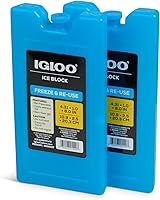
Igloo Maxcold Ice Blocks come in a 2-pack with freezable gel inside hard plastic shells. Each medium block measures 4.31 x 2.24 x 8 inches, so allow space for its thickness beside your containers.
Choose these for repeat picnics or day trips where loose water would soak packaging. Skip them if your containers leave only thin slots, or if you need cubes to surround an uneven load.
Freeze the blocks fully before departure and place them beside food containers. Hand-wash them after use and check the shells for damage before refreezing.
When are slim packs the better fit?
Slim packs suit lunch bags and tightly arranged containers where thicker blocks would displace food. Their flat shape lets you spread cold sources along the sides and between meals.
Cool Coolers XL Slim Ice Packs come in a 4-pack with reusable, BPA-free plastic shells. Use several around the load instead of stacking them together in one corner.
Choose these for work lunches, school meals, or a compact picnic bag. Skip them as your only cold source for a large, heavily loaded cooler on a long trip.
Freeze them fully, then pack them close to the food. Hand-wash, rinse, and dry them after use so food residue doesn't return to the freezer.
When should you change the cooler itself?
Consider another cooler when your usual load leaves too little room for ice or the lid no longer closes properly. Better insulation can slow heat gain, but it won't solve a poor fit.
Choose capacity for food, drinks, and frozen material together. A full cooler also weighs far more than its empty shell, so account for the walk from your vehicle.
The RTIC 32 Ultra-Light is a 32 qt hard cooler with up to 2.5 inches of closed-cell foam insulation and an empty weight of 14.7 lb. It suits smaller camping, picnic, or boat loads when you want a hard box and can manage the packed weight.
Skip it if your group needs a much larger food supply or you mainly carry a single lunch. Its capacity must hold both your supplies and ice, so don't plan around the maximum can count alone.
Use what size cooler you need to estimate capacity. The RTIC Ultra-Light 32 QT review can help you decide whether this size fits your trips.
Where should you keep the cooler during the day?
Keep it in shade and away from hot surfaces to reduce heat entering through the walls and lid. Move it as the sun shifts rather than assuming morning shade will last.
Under a table or canopy is useful if air and ground temperatures are lower there. A light-colored cover can shade the box, but keep the lid easy to reach and close.
Avoid leaving the cooler beside a grill or inside a parked vehicle that heats up. At camp, choose its resting spot before unloading so it doesn't sit in direct sun while you set up.
Should you drain cold meltwater?
Keep cold meltwater unless it causes a practical problem, such as soaking packaging or making the cooler difficult to move. Draining it removes cold material and creates room you'll need to refill with ice.
Keep food sealed even when the water looks clean. A leaking raw-meat package can contaminate water that touches other food or drink containers.
Use a thermometer to check that perishables stay at 40°F or below. Visible ice doesn't prove that every part of the cooler is cold enough.
Discard perishables left above safe cold-storage temperatures for more than 2 hours, or 1 hour in heat above 90°F. Follow the USDA's food safety guidance when deciding what to keep.
Which everyday mistakes waste the most ice?
The biggest avoidable mistakes are adding warm supplies and leaving the lid open. Both add heat that your remaining ice must absorb.
Set aside everything you need for a meal before opening the cooler. Take it out in one visit, then close the lid before sorting drinks or making sandwiches.
For groups, use a separate drink cooler if people reach for cans all day. Keep the food cooler organized by meal so nobody needs to search through tomorrow's supplies.
Don't assume buying a new cooler fixes these habits. Check the rim for trapped packaging, keep the drain closed during use, and replenish frozen material before the cold supply runs low.
How should you clean and store everything afterward?
Wash and dry the cooler and packs before putting them away. Follow each item's care instructions, especially after food spills or raw-meat leaks.
Clean corners, the drain, and the lid rim, then let the interior dry fully with the lid open. See cleaning a cooler and removing mold and smells for deeper cleaning steps.
Store reusable packs clean and inspect them for cracks or leaks before the next outing. Replace damaged packs rather than returning them to a food cooler.
Which setup should you choose to keep ice longer in a cooler?
For how to keep ice longer in a cooler, choose the cold source that fits your load and trip. For longer outings, leave substantial room for frozen material and plan where you'll replenish it.
Choose Igloo blocks for dry packing with room beside containers, or Cool Coolers slim packs for lunches and narrow spaces. Consider the RTIC when a smaller insulated hard cooler fits your supplies, ice, and carrying limits.
If your current cooler fits the load and closes securely, improve packing and shade before replacing it. For help choosing a different format, see camping coolers explained.
Frequently asked questions
Should I drain the water from a cooler?
Keep cold meltwater unless it threatens food packaging, leaks, or makes the cooler hard to handle. It can help keep contents chilled, but it doesn't prove food is safe.
Seal food against leaks and use a thermometer to check that perishables stay at 40°F or below.
Does opening a cooler make ice melt faster?
Yes, opening the lid allows heat into the cooler, especially when you leave it open while searching. Pack items in meal order and decide what you need before reaching inside.
For a group that grabs drinks often, a separate drink cooler helps protect the food cooler's cold supply.
Should I pre-chill a cooler before adding ice?
Yes, pre-chill a warm cooler so your trip ice doesn't have to cool the walls first. Add spare ice or frozen packs several hours before loading, then replace melted ice with fresh ice.
Start with refrigerated food and drinks rather than asking the cooler to chill warm supplies.
Do ice packs keep a cooler cold longer than ice?
Ice packs don't always outlast water ice; the amount of frozen material, its starting temperature, and the cooler all affect the result. Packs keep the cooler drier, while cubes fit around irregular loads.
Choose enough frozen material for the trip, and check food temperature instead of judging by remaining ice.