6 Best Coolers for Ice Retention (October 2026)
The best coolers that keep ice longer include the YETI Tundra 45 for multi-day trips, the Coleman Xtreme Rolling Cooler for rolling group outings, and the RTIC 32 Ultra-Light for smaller outings.
On this page (8 sections)
- Which is the best cooler for ice retention for your trip?
- How should you compare ice-retention claims?
- What size cooler leaves enough room for ice?
- Are hard coolers better for long ice retention?
- How should you pack a cooler before leaving?
- What mistakes make cooler ice melt faster?
- How do you care for the cooler after a trip?
- Which cooler should you choose for ice retention?
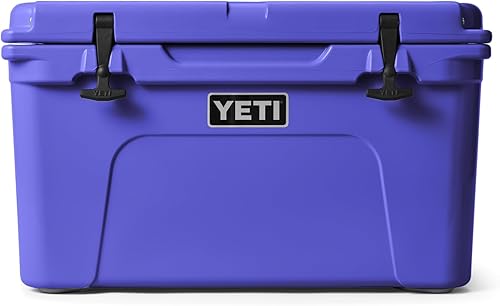
The YETI Tundra 45 is our pick for the best cooler for ice retention for most multi-day trips because it combines thick insulation, a freezer-style gasket and secure latches. Choose a different size or carry style when the Tundra doesn't fit your food load or route.
The right cooler needs room for both supplies and ice. A large can count means little if filling every gap with drinks leaves you buying replacement ice sooner than planned.
Use the guide to how long ice lasts in a cooler to set expectations, then compare capacity and handling. For choices organized around overnight trips, see our best coolers for camping guide.
Our picks at a glance
-
1
-
2

-
3

- 4
 Check it
Lifetime High Performance Cooler
Best for large camp groups - 5
 Best for uneven campsite routesCheck it
- 6
 Best for organized family picnicsCheck it
Which is the best cooler for ice retention for your trip?
The Tundra 45 leads this selection for its insulated, gasketed design, while the other picks solve different problems with weight, wheels or storage space. These choices reflect features and trip fit, rather than a measured ranking of how long each holds ice.
A cooler that suits a parked fishing camp may be a poor choice for a long walk from the car. Start with the load and route, then compare the cold-holding features.
| Product | Best for | Packed capacity | Insulation | Transport | Our score |
|---|---|---|---|---|---|
| YETI Tundra 45 | multi-day trips | 26 cans with a 2:1 ice-to-contents ratio | Up to 3 in of PermaFrost insulation | Hand carried | 9.2 |
| Coleman Xtreme Rolling Cooler | rolling group outings | 50 qt; up to 84 cans before allowing for ice | Double-wall insulated lid and body | Wheels and telescoping handle | 8.8 |
| RTIC 32 Ultra-Light | smaller outings | 32 qt; up to 48 cans before allowing for ice | Up to 2.5 in of closed-cell foam | Hand carried | 8.7 |
| Lifetime High Performance Cooler | large camp groups | 115 qt | Insulated body with gasket | Hand carried; 42.5 lb empty | 8.1 |
| RTIC 52 Ultra-Light Wheeled | uneven campsite routes | 52 qt; up to 78 cans before allowing for ice | 2.5 in of closed-cell foam | All-terrain wheels and tow handle | 8.0 |
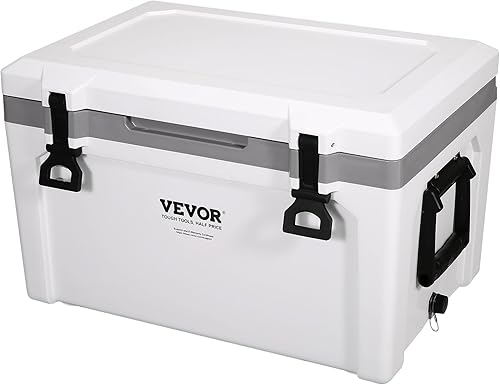
| VEVOR Ice Retention Cooler | organized family picnics | 52 qt; about 45 to 50 cans before allowing for ice | 2.5 in of closed-cell foam with silicone seal | Carried; no wheels | 7.0 |
YETI Tundra 45: best ice-retention fit for multi-day trips
YETI Tundra 45
- Up to 3 in of PermaFrost insulation
- Freezer-style rubber gasket
- Rotomolded shell
- Dry goods basket
Choose the Tundra for camping or fishing trips where a thick insulated shell, gasket and secure latches matter more than wheels. The included basket separates snacks from meltwater.
Pros
- Thick insulation and freezer-style gasket
- Tie-down slots for transport
- Drain empties without tipping
Cons
- No wheels for moving a full load
- Drink capacity drops when packed with enough ice
Choose the Tundra for a camping or fishing weekend where the cooler will stay near your vehicle or camp. Its up to 3 in of PermaFrost insulation, freezer-style rubber gasket and rotomolded shell make it the insulation-focused choice here.
Its useful drink figure is 26 cans at a 2:1 ice-to-contents ratio. The separate 54-can figure excludes ice, so it isn't a sensible target for a trip where holding cold matters most.
The dry goods basket gives sandwiches and snacks a place above meltwater. Tie-down slots let you secure the chest during travel, while the gasketed drain lets you empty it without tipping.
Use the basket for items you'll reach for often, and pack later meals below the first day's food. That arrangement reduces the digging that leaves a lid open while everyone searches.
Skip the Tundra if you need to tow your cooler from the parking lot or feed a large group from one chest. Its appeal is the shell, seal and practical storage, rather than maximum food volume.
Coleman Xtreme Rolling Cooler: for shared drinks on wheels
Coleman Xtreme Rolling Cooler
- Coleman claims ice retention up to 5 days at 90°F
- 50 qt capacity
- Wheels and telescoping handle
- Leak-resistant drain
Coleman suits picnics, tailgates and campsites where you need to roll a shared drink supply. Its day-based ice claim includes an outside temperature, but your packing and opening habits still affect the result.
Pros
- Wheels reduce carrying on suitable routes
- Drain removes meltwater without tipping
- Lid supports up to 250 lb
Cons
- Maximum can count is not an ice-packed drink load
- Stairs and vehicle loading still require lifting
Choose Coleman for a picnic, tailgate or campsite where one shared cooler needs to move between the car and gathering spot. Its 50 qt capacity, wheels and retractable telescoping handle suit that job.
Coleman claims up to 5 days of ice retention at temperatures as high as 90°F. That gives the claim useful context, but it doesn't describe every possible food load, opening pattern or starting temperature.
The cooler holds up to 84 cans before you allow space for ice. At 12.7 lb empty, it starts lighter than the other picks here, though the full load will still need lifting into a vehicle.
Its leak-resistant drain helps with emptying after the outing. Coleman also says the lid supports up to 250 lb, which can make it useful as an extra seat once parked.
Skip it if the route is mostly stairs or deep, loose sand. Wheels help most when the ground supports them, and a busy drink cooler will need more frequent opening than a chest reserved for later meals.
RTIC 32 Ultra-Light: for smaller food loads
RTIC 32 Ultra-Light
- Up to 2.5 in of closed-cell foam
- 32 qt capacity
- 14.7 lb empty weight
- Up to 48-can capacity
Pick this smaller RTIC when you want an insulated hard cooler without hauling a group-size chest. Allow space for ice and check tall containers against its interior height.
Pros
- Lower empty weight than the larger carried picks
- Compact capacity for smaller food loads
- Includes a drain plug
Cons
- No wheels
- Less room for reserve ice and bulky food containers
Choose the smaller RTIC for a couple's outing, a short road trip or a compact food supply. Its 32 qt capacity and 14.7 lb empty weight make more sense than a large chest when you don't need group storage.
It has up to 2.5 in of closed-cell foam insulation. RTIC says the design is more than 30% lighter than rotomolded coolers of the same capacity.
The maximum 48-can capacity and 30 lb ice capacity describe separate loads. Neither means you can pack that many drinks alongside a full ice supply, so plan around actual containers and meals.
Check tall bottles against the 9.75 in interior height. Wide, shallow food containers may be easier to arrange than a mix of tall bottles and bulky meal boxes.
RTIC describes it as suitable for one-person carrying, but your comfortable load still matters. Skip it for a large family's main food supply or a trip that needs substantial reserve ice with no chance to restock.
Lifetime High Performance Cooler: for a large camp supply
Lifetime High Performance Cooler
- 115 qt capacity
- Lifetime claims ice retention up to 10 days
- Gasket helps maintain cool air
- Garden-hose-compatible drain spout
Lifetime fits groups that need a large shared food supply and room for reserve ice. Plan its position and lifting help before filling it.
Pros
- Largest capacity among these picks
- Divider doubles as a cutting board
- Hose-compatible drain helps with emptying
Cons
- Heavy before adding food or ice
- Oversized for a small picnic or short solo trip
Choose Lifetime when a group needs one large food chest that will remain in place at camp. Its 115 qt capacity gives you room to separate meals, drinks and ice without relying on a compact cooler.
Lifetime claims up to 10-day ice retention, the longest stated ice claim in this group. That figure is useful for considering the model, but it doesn't prove a longer duration than every other pick under the same conditions.
The gasket helps limit heat entering around the lid. A divider doubles as a cutting board, and the drain spout accepts a garden hose for directing water away during emptying.
At 42.5 lb empty, the cooler needs a lifting plan before you add anything. Decide where it will sit, check vehicle access and arrange help rather than discovering the problem after packing.
Skip Lifetime for short solo trips or outings with frequent moves. Its size earns its place when you have enough food and ice to use it well, not when most of the chest will sit empty.
RTIC 52 Ultra-Light Wheeled: for uneven campsite routes
RTIC 52 Ultra-Light Wheeled
- 52 qt capacity
- 2.5 in of closed-cell foam
- Puncture-resistant all-terrain wheels
- Silicone-gripped aluminum handle
Choose the wheeled RTIC for a family-size load traveling over uneven ground. Its lid cargo net gives small items a separate storage spot.
Pros
- Puncture-resistant wheels
- Silicone grip on the tow handle
- Built-in silicone cargo net
Cons
- Vehicle loading still requires lifting
- Wheels offer limited help on stairs or very soft ground
Choose the wheeled RTIC when you need family-size storage and a towing route that includes uneven ground. Its puncture-resistant all-terrain wheels and silicone-gripped aluminum handle address the move from vehicle to camp.
The 52 qt body has 2.5 in of closed-cell foam insulation. RTIC describes it as built for multi-day cold storage, without giving a fixed day count here.
Its up-to-78-can capacity still needs an allowance for ice. Plan your real load around food containers and the space left for cooling, rather than treating the can count as a packed-trip promise.
The silicone cargo net inside the lid gives small items a dedicated spot. Use that organization to keep frequently needed items easy to find, while making sure nothing interferes with closing the lid.
Skip this model if you mostly cross stairs, need to carry the cooler over obstacles or have limited vehicle space. The wheels reduce carrying along a suitable route, but they don't remove the need to lift the cooler at either end.
VEVOR Ice Retention Cooler: for organized picnic meals
VEVOR Ice Retention Cooler
- 52 qt capacity
- VEVOR claims cooling for up to 6 days
- 2.5 in of closed-cell foam
- Dry goods basket and separator
VEVOR suits family meals where keeping snacks and containers organized is useful. Its cooling-duration claim should not be read as a promise that ice remains frozen for that entire period.
Pros
- Basket and separator included
- Quick-flip latch
- Non-slip foot pads
Cons
- No wheels for moving a full load
- Cooling claim does not specify frozen-ice duration
Choose VEVOR for family picnics and short trips where separating snacks, meal containers and drinks matters. Its included dry goods basket and separator are the main reasons to pick it over a plain open chest.
The 52 qt cooler uses 2.5 in of closed-cell foam and a silicone seal. VEVOR claims up to 6 days of cooling, which doesn't specify how long ice remains frozen or establish a food-storage temperature.
It weighs 20.5 lb empty and holds about 45 to 50 standard 12 oz cans before allowing for ice. The quick-flip latch gives you a simple closure, while non-slip foot pads help it stay in place.
Pack dry snacks in the basket and arrange sealed meal containers below. Keep the lid area clear so the seal can close fully after each stop.
Skip it if the walk from the car is long or you need a wheeled chest for the whole family. Choose it for its organizers and manageable trip plan, rather than using the cooling-duration claim as an ice-life guarantee.
How should you compare ice-retention claims?
Compare the measurement and conditions before comparing the number of days. Ice remaining in a chest, cold drinks and food held at a suitable temperature are different outcomes.
Coleman's claim includes an outside temperature, while Lifetime's longer claim doesn't provide the same temperature detail here. VEVOR describes cooling duration, so its number shouldn't sit between those ice claims as though all 3 measure the same thing.
A small amount of ice left at the bottom also tells you little about the temperature near the lid. For perishable food, use a thermometer instead of judging by how cold a drink feels.
Compare the complete cold-holding design
Look for insulation, a well-closing lid and a usable seal, then consider how easily you can keep that lid closed. A latch that catches on packaging or a rim covered with crumbs can undermine careful packing.
Insulation slows heat entering through the walls. The lid opening, warm contents and sunlight add heat through other routes, so wall thickness alone can't predict your trip's ice life.
For any cooler, the starting conditions matter. Our guide to keeping ice longer in a cooler explains how packing and placement support the cooler's design.
What size cooler leaves enough room for ice?
Choose the smallest cooler that holds your planned supplies and enough ice for the trip. A tightly packed drink chest with barely any ice is too small for an outing where replacement ice is hard to find.
Write down meals, drinks and frozen items before choosing capacity. Include the space taken by rigid containers, tall bottles and anything that must stay dry.
Use your meal plan instead of a maximum can count
Can counts help describe space, but they don't all use the same packing method. A count without ice can't be compared directly with one that includes an ice-to-contents ratio.
As a starting point, reserve about twice as much space for ice as for contents when practical. Adjust the plan for trip length, heat and access to fresh ice rather than squeezing in extra drinks at the last minute.
Our guide on how much ice a cooler needs helps with that plan. The cooler capacity guide explains why can counts are only one measure of usable space.
Balance reserve space with the load you must move
An oversized chest needs more ice to fill unused space and starts with a larger shell to carry. A smaller cooler is easier to pack well when your food supply is modest.
For a large group, separate drinks from food if you already have another cooler available. Keeping the meal chest closed while people reach for drinks can be more useful than putting everything in one large box.
Are hard coolers better for long ice retention?
Insulated hard coolers suit trips where holding cold takes priority over folding storage and light carrying. The hard shell itself doesn't establish ice life, so compare the insulation, lid and packing space.
All 6 picks here are hard coolers, but their different capacities and transport systems change how useful they are. Choose a chest you can move and store without making every stop a lifting problem.
Read our hard vs soft cooler comparison if you're deciding between a rigid chest and a flexible bag. Our broader guide to hard, wheeled and soft coolers helps match those designs to different outings.
Match the wheels to the full route
Choose wheels when most of the trip from vehicle to destination can be rolled. Check curbs, steps, narrow paths and the final stretch across sand before assuming a tow handle solves transport.
Loose ground can make even an all-terrain wheel harder to pull. Share the lifting when needed, and keep the load within what you can control on a slope.
Our best wheeled coolers guide compares more options built around moving a loaded chest.
How should you pack a cooler before leaving?
Start with a cool chest, cold contents and a planned layout. Ice should maintain the temperature of your supplies rather than spend the first part of the trip cooling warm drinks.
Pre-chill before the final pack
Put the empty cooler in a cool indoor spot before departure. If it has been sitting in a hot garage or vehicle, use sacrificial ice to cool the interior, then replace that ice for the trip.
Chill drinks and prepared food in the refrigerator first. Freeze suitable food in advance if it fits your meal plan, while leaving room in containers for expansion.
Pack close to departure instead of leaving a loaded cooler in a warm vehicle overnight. Keep replacement ice frozen until you're ready to use it.
Combine ice types around your containers
Larger ice pieces generally melt more slowly because they expose less surface for their volume. Cubes fill gaps around food and drinks, so a mix can give you both a lasting reserve and close contact.
Frozen water bottles can provide contained ice and drinking water later. They take up fixed shapes, so arrange them before adding smaller items rather than forcing the lid over an awkward load.
Use sealed containers for food that must stay dry. Keep raw food sealed and separate from ready-to-eat items so meltwater doesn't carry leaks between them.
Pack in the order you'll eat
Put later meals lower in the cooler and the first meal near the top. Keep shared snacks together so one opening can serve several people.
Leave the rim clear and close the latches each time. A towel, bag corner or tall bottle caught under the lid creates a gap where the seal should meet.
What mistakes make cooler ice melt faster?
Warm supplies, direct sun and repeated searching are the mistakes to fix first. A careful routine helps you get useful cold storage from whichever cooler fits your trip.
- Packing drinks straight from a warm shelf: chill them first so they don't consume your ice reserve.
- Using the can count as the trip capacity: leave space for ice before adding optional drinks.
- Parking beside a hot surface: choose shade and keep the cooler away from campfires or hot equipment.
- Leaving the lid open during meal prep: remove what you need, close it, then prepare the food.
- Treating a day claim as a refill schedule: check the remaining ice and plan restocking around actual conditions.
Drain for a reason, not on a fixed schedule
Cold meltwater can help keep sealed drinks and containers in contact with the remaining ice. You don't need to empty it every time a little water collects.
Drain when you need space for fresh ice, when food packaging may get wet or when spills contaminate the water. A basket helps with dry storage, but it doesn't replace sealed food containers.
Before travel, close the drain securely and check the lid. Even a short move is easier when you aren't dealing with loose items and leaking water.
How do you care for the cooler after a trip?
Empty, wash and fully dry the cooler before storing it. Prompt cleanup keeps food residue from building up around the drain, corners and lid seal.
Use mild soap, water and a soft cloth or brush, following the cooler's care directions. Remove loose baskets and dividers so you can clean underneath them.
Rinse away soap and let the interior dry with the lid open. Store it only once the gasket folds, drain area and accessories are dry.
Check latches, the sealing surface and the drain plug before your next trip. For stubborn odors or residue, follow our guide to cleaning a cooler.
Which cooler should you choose for ice retention?
Choose the best cooler for ice retention around your hardest trip requirement. That may be a food supply that needs to last several days, a long walk from the car or enough room for a large camp.
- Choose YETI Tundra 45 for an insulation-focused camping or fishing chest that you can carry and secure near camp.
- Choose Coleman Xtreme Rolling for shared drinks and a route where wheels reduce carrying.
- Choose RTIC 32 Ultra-Light for smaller loads that don't justify a large chest.
- Choose Lifetime High Performance for a large food supply that can stay in one planned spot.
- Choose RTIC 52 Ultra-Light Wheeled for family-size storage and uneven routes you can tow across.
- Choose VEVOR for organized picnic meals when the carry from the vehicle is short.
Before ordering, check your largest food container, vehicle space and lifting plan. Then use our ice-retention guide to plan ice replenishment for the conditions you'll actually face.
Our top 3 picks at a glance
-
1
-
2
-
3
Frequently asked questions
Which cooler keeps ice the longest?
Lifetime makes the longest stated ice-retention claim here, at up to 10 days. That claim does not establish a shared-condition ranking against the other coolers.
Choose by the load you need to chill, available ice space and handling, then allow for heat, lid openings and access to replacement ice.
Does thicker cooler insulation always mean longer ice life?
Thicker insulation helps slow heat entering, but the lid seal, starting temperature and packing also affect ice life. A thick-walled cooler packed with warm drinks still uses ice to cool those drinks.
Compare the whole design, then pre-chill supplies and leave enough space for the ice your trip needs.
Are wheeled coolers good for ice retention?
A wheeled cooler can hold ice well if its insulated body and lid suit the trip. Wheels change how you move the cooler rather than directly improving its insulation.
Choose them for a useful towing route, and remember that stairs, deep sand and loading into a vehicle can still require lifting.
How can you help ice last longer in a cooler?
Pre-chill the cooler and its contents, pack plenty of ice, keep it shaded and limit lid openings. Organize food by meal so you can find each item quickly.
Our guide to keeping ice longer in a cooler explains how to build those habits into your packing routine.