6 Best Ice Chests (October 2026)
The best ice chests for camping, boating and day trips include the YETI Tundra 45 for secured weekend trips, the RTIC 32 Ultra-Light for solo weekend packing, and the Lifetime High Performance Cooler for group base camps.
On this page (10 sections)
- The best ice chests for different trips
- How we chose these ice chests
- Ice chest comparison
- Which ice chest fits your trip?
- How do you choose the right ice chest?
- How should you pack an ice chest before leaving?
- What should you do during the trip?
- How do you clean and store an ice chest?
- Which ice chest mistakes should you avoid?
- Choose the best ice chest for your usual trip
The best ice chest for mixed weekend trips is the YETI Tundra 45, with a basket for dry food, tie-down slots for transport and a gasketed lid. Choose the RTIC 32 Ultra-Light for a moderate load carried solo, or the Lifetime High Performance Cooler for group provisions.
For casual gatherings, the Coleman puts useful lid features ahead of heavy construction. The Igloo Marine suits wet boat decks, while the compact Igloo Trailmate fits smaller day-trip loads.
Start with the supplies you'll pack and the distance you'll carry them. A chest that fits your meals but takes 2 people to move is a poor choice for a solo walk from the parking lot.
Our guide to hard, wheeled and soft coolers helps if you're still choosing a style. For shell construction, see what a rotomolded cooler is.
Our picks at a glance
-
1
-
2

-
3

The best ice chests for different trips
Choose the YETI for organized weekend storage, RTIC for manageable solo loads, and Lifetime for a group base camp. The right choice changes when wet handles, spare seating or a small storage spot matter more.
A picnic near the car calls for different features than a fishing trip with several food containers. Buy for the trip you take most often, rather than the largest outing you might take someday.
How we chose these ice chests
We compared usable capacity, carrying demands, construction and practical extras for common outdoor trips. JunkDrawerJoy's scores reflect how those features fit each cooler's intended buyer.
A large chest earns its place through group storage, while a small one needs to justify the space and weight it saves. Baskets, drains, handles and lid designs matter when they remove a specific packing or handling problem.
We don't rank these coolers by advertised ice-retention days. Different starting temperatures, ice loads and opening habits prevent those claims from serving as a fair head-to-head comparison.
Ice chest comparison
Compare capacity and exterior size first, then check how you'll lift and use the chest. Can counts are less useful unless you know how much room remains for ice.
| Product | Best for | Capacity | Exterior size | Insulation | Our score |
|---|---|---|---|---|---|
| YETI Tundra 45 | secured weekend trips | 26 cans at a 2:1 ice-to-contents ratio | 25.5 x 16 x 15.5 in | Up to 3 in of PermaFrost insulation | 9.2 |
| RTIC 32 Ultra-Light | solo weekend packing | 32 qt | 23.2 x 15.2 x 14.5 in | 8.7 | |
| Lifetime High Performance Cooler | group base camps | 115 qt | 8.1 | ||
| Igloo Marine Cooler | wet boat decks | 54 qt | 26.38 x 15.5 x 15.5 in | 7.9 | |
| Coleman Classic Hard Cooler | casual gatherings | 52 qt | 27.87 x 15.63 x 17.99 in | 7.9 | |
| Igloo Trailmate Cooler | compact day trips | 25 qt | 20.55 x 14.23 x 16.7 in | 7.8 |
A quart figure describes volume, but it doesn't show whether a tall bottle fits upright or a wide meal container sits flat. Use our guide to how long ice lasts in a cooler when planning an outing without easy ice stops.
Which ice chest fits your trip?
Choose the chest whose main strength solves your daily packing problem. Extra capacity helps a group, while a secure mounting spot or easier lift may matter more for a smaller load.
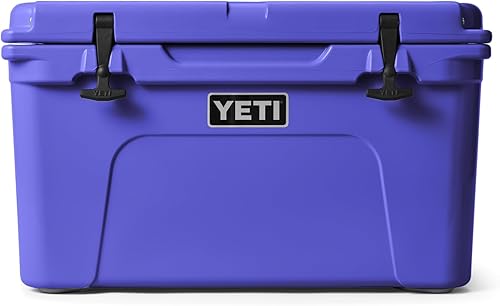
YETI Tundra 45: best ice chest for secured weekends
YETI Tundra 45
- 26 cans at a 2:1 ice-to-contents ratio
- Dry goods basket
- Molded tie-down slots
- Gasketed drain plug
A basket separates snacks from meltwater, and tie-down slots help secure the chest during transport. Choose it for weekend food storage that needs both organization and a firm place in your vehicle.
Pros
- Dry goods basket included
- Tie-down slots accept straps or rope
- Freezer-style lid gasket
Cons
- Ice uses a large share of packing space
- Tall bottles need a fit check
Choose the Tundra 45 for weekends when food organization and secure transport deserve equal attention. Its included basket keeps bread, snacks and other dry items above meltwater, while molded slots accept straps or rope.
The rotomolded shell surrounds up to 3 in of PermaFrost insulation, and a freezer-style gasket closes around the lid. These features suit repeated outdoor use, though trip planning still starts with the food and ice you need.
Its useful packing benchmark is 26 cans at a 2:1 ice-to-contents ratio. The higher 54-can figure excludes ice, so it shouldn't be your target for a chilled weekend load.
Measure bottles against the 10.7 in interior height, and check that meal containers leave room for the basket. If your usual load is bulky rather than neatly stacked, the layout matters more than the model name.
Skip this pick if you mainly need a drink chest beside the picnic table and won't use its transport features. Before strapping it down, plan the lid's opening path and leave access to the drain.
RTIC 32 Ultra-Light: moderate loads carried solo
RTIC 32 Ultra-Light
- 32 qt capacity
- 14.7 lb empty weight
- Up to 2.5 in closed-cell foam insulation
- Drain plug
This midsize chest suits a moderate food and drink load carried by one person. RTIC says it weighs more than 30% less than rotomolded coolers of the same capacity.
Pros
- Designed for one-person carrying
- Closed-cell foam insulation
- Can double as a bench or tabletop
Cons
- Loaded weight still needs planning
- Limited room for bulky group provisions
Choose the RTIC for a weekend load you expect to move yourself. At 14.7 lb empty, it leaves you with a clear starting point for judging the weight of ice, drinks and meals.
RTIC says it is more than 30% lighter than rotomolded coolers of the same capacity. That comparison doesn't make it the lightest chest here, so choose it for its mix of moderate size and insulation.
The body has up to 2.5 in of closed-cell foam insulation. Its up-to-48-can capacity and up-to-30-lb ice capacity describe different loads, not supplies you can pack together.
The interior measures 17.5 x 11 x 9.75 in. Compare those measurements with your largest food container before buying, especially if you pack meals in rigid boxes.
Skip it for shared group meals that would force you to leave out ice. For solo use, keep frequently needed drinks near the top so you can retrieve them without lifting out the whole meal stack.
RTIC also allows use as a bench, step stool or tabletop. Keep the lid clear during meal service if several people will need access to the contents.
Lifetime High Performance Cooler: group base camps
Lifetime High Performance Cooler
- 115 qt capacity
- Garden hose-compatible drain spout
- Divider doubles as a cutting board
- 5-year limited warranty
The largest chest here suits group provisions stored near a vehicle or base camp. A divider helps organize the load, and the hose-compatible drain makes emptying easier.
Pros
- Largest capacity in this roundup
- Included divider and cutting board
- 5-year limited warranty
Cons
- Heavy before adding supplies
- Needs substantial vehicle and storage space
Choose the Lifetime when several people's provisions need to stay together near a vehicle or camp kitchen. Its 115 qt capacity makes sense for a planned group load, rather than a small outing with lots of unused space.
The included divider helps separate supplies and doubles as a cutting board. If you use it for food preparation, clean it before returning it beside packed food.
A garden hose-compatible drain spout lets you direct water away during emptying. That helps when the chest is too heavy or awkward to tip comfortably.
Lifetime claims up to 10-day ice retention. Plan around your actual ice supply and opportunities to replenish it instead of treating that duration as a fixed trip allowance.
Lifetime also says the chest is IGBC-certified bear-resistant when locked. Follow its locking instructions and the rules at your destination before relying on it for wildlife storage.
Skip this cooler if you'll move it alone through several loading points. At 42.5 lb empty, it calls for a lifting plan before food and ice go in, plus a place to store it between trips.
Igloo Marine Cooler: wet boat decks
Igloo Marine Cooler

- 54 qt capacity
- UV inhibitors
- Wet-grip swing-up handles
- Rust-resistant lid strap and screws
Wet-grip handles and marine-focused hardware suit fishing and boating. Choose it when handling and sun exposure matter more than a seat lid or compact footprint.
Pros
- Handles designed for wet conditions
- Rust-resistant lid hardware
- UV inhibitors help protect against sun damage
Cons
- Broad footprint needs a fit check
- Latch snap area is plastic
Choose the Igloo Marine for outings where wet hands, sun and exposed hardware are routine concerns. Its swing-up handles have non-slip comfort grips, giving you a useful handling feature when loading around water.
Igloo uses UV inhibitors to help protect against sun damage. Rust-resistant stainless steel appears in the lid strap and screws, while the hybrid latch combines a stainless steel hinge area with a plastic snap area.
The hinges use flexible Riteflex resin. That mix of materials makes the Marine's case about parts suited to its setting, rather than a single shell-construction claim.
Its 54 qt capacity suits a shared food and drink load, but check your deck space and hatch access before buying. A chest can fit on the floor yet block the route you need to move around it.
Skip it if your main goal is a smaller picnic chest or a lid designed for sitting. For fishing, keep bait and the day's catch separate from ready-to-eat food.
After a saltwater outing, rinse away salt and clean the handles and lid hardware. Rust resistance still benefits from routine care.
Coleman Classic Hard Cooler: casual gatherings
Coleman Classic Hard Cooler

- 52 qt capacity
- Have-A-Seat lid
- Draining cup holders
- Stain-resistant liner
A seat-style lid, cup holders and an easy-clean liner suit picnics and backyard gatherings. Its low empty weight leaves more of the carrying effort for your supplies.
Pros
- Coleman says the closed lid supports up to 250 lb
- Cup holders fit up to a 30 oz tumbler
- Stain-resistant liner
Cons
- Wide body takes up vehicle space
- Full can count does not allow for an ice load
Choose the Coleman for picnics, backyard meals and sporting events where drinks stay close to the group. The lid adds useful serving-area features without requiring a heavy empty chest.
Coleman says the closed Have-A-Seat lid supports up to 250 lb. Its draining cup holders fit up to a 30 oz tumbler, which helps keep drinks in a set place during a stop.
The recessed lid lip provides a place to lift it open. Inside, the stain-resistant liner makes spilled drinks and food residue easier to address after the outing.
Its up-to-80-can figure is a maximum packing reference, not a chilled party plan. Leave space for ice and any food containers that will share the chest.
Skip it if your trip depends on the Tundra's tie-down arrangement or the Lifetime's large group storage. This pick makes the strongest case when casual-use features are the priority.
Keep the lid available when people need drinks. If someone uses it as a seat, place the chest on firm, level ground and move cups before opening it.
Igloo Trailmate Cooler: compact day loads
Igloo Trailmate Cooler

- 25 qt capacity
- 1.5 in foam-insulated walls
- Insulated lid with gasket
- Locking plate
This compact chest suits a small picnic or day-trip load. A swing-up bail handle, gasketed lid and locking plate serve buyers who want a smaller hard cooler.
Pros
- Smallest capacity in this roundup
- Insulated walls and lid
- Locking plate for securing the lid
Cons
- Little spare room for bulky meal containers
- Lock not included
Choose this 25 qt Trailmate for a small picnic, a short beach visit or a day out with a limited food load. Its compact footprint is useful when the cooler shares vehicle space with chairs and bags.
It has 1.5 in foam-insulated walls, an insulated lid and a gasket. Igloo says Cool Riser Technology improves cooling by raising the body away from hot surfaces.
A swing-up bail handle suits carrying a smaller chest. The locking plate gives you a way to secure the lid, but you'll need to supply the lock.
The up-to-38-can figure still needs an allowance for ice. Plan the full load around your meal containers first, then add drinks that fit without crowding the lid.
Skip it for group meal storage or tall, bulky containers that force an awkward packing layout. Its 10.8 lb empty weight also shows why smaller capacity doesn't always mean the lightest option.
Keep this chest dedicated to the day's essentials. Packing tomorrow's supplies into a compact cooler can make today's lunch harder to reach and reduce space for ice.
How do you choose the right ice chest?
Choose by food volume, loaded weight and access to fresh ice, in that order. Then look for the handles, drain and storage features that fit your route from home to destination.
What size ice chest fits your plans?
Start with a meal and drink plan, including the containers you'll actually use. Reserve space for ice before choosing a capacity.
For a day outing, count lunch, snacks and drinks. For several days away, include bulky breakfast items, sealed meal boxes and any food you must keep separate.
The small Trailmate suits restrained packing, while the RTIC offers another step of space. The medium group chests work for shared loads, and the Lifetime is for substantially larger provisions.
Use our cooler size guide to narrow the range. Don't add capacity simply to avoid making a packing plan, because a larger chest also needs more vehicle and home storage space.
How much does carry weight matter?
The loaded lift is the one that matters, especially at a high trunk opening or on uneven ground. A comfortable empty lift tells you little about moving a full chest.
Think through every stage: carrying it outside, loading the vehicle, unloading and reaching your campsite or picnic spot. One difficult stage can rule out an otherwise suitable size.
If the route includes a long walk, compare wheeled coolers. For a large chest, arrange help and clear the lifting route before packing it.
Which dimensions should you measure?
Measure the storage opening and the space around the cooler, not just the floor where it will sit. Allow room for your hands, handles and the lid's full travel.
Check the trunk opening separately from the trunk floor. At camp, leave enough clearance to open the lid without moving the whole chest.
Inside, compare bottle height and container width with usable dimensions. A container that fits only at an angle can waste space and make spills more likely.
Which features deserve priority?
Choose features you'll use on nearly every outing. A dry basket helps with snacks, a divider helps separate supplies, and a drain reduces the need to tip a loaded chest.
A gasket needs a clean contact surface and a fully closed lid to do its job. A locking plate is useful only if you carry the right lock and can reach it after loading.
For transport, secure placement matters more than extra cup holders. For a gathering beside the car, a seat-style lid and easy-clean interior may be more useful.
How should you pack an ice chest before leaving?
Cool the chest and its contents before the final pack, then arrange food in the order you'll need it. Ice lasts longer when it doesn't start by cooling a warm interior and warm drinks.
Pre-chill without soaking your supplies
Put sacrificial ice or cold packs into the empty chest ahead of departure. Remove leftover water and spent ice before adding the trip's fresh ice supply.
Chill drinks and prepared food in the refrigerator first. Packing room-temperature drinks makes the ice absorb heat that you could have removed at home.
Keep the cooler out of a hot vehicle while you prepare the load. Move it into its travel position as close to departure as practical.
Pack meals and ice together
Use sealed containers for food that must stay dry, even if you have a basket. Meltwater and movement can reach loose packaging during transport.
Pack later meals lower down and the next meal near the top. Place ice around the load so large warm gaps don't remain between containers.
For longer outings, larger ice blocks provide a lasting cold source, while cubes fill spaces around food. Avoid a rigid packing plan that leaves no room for either.
YETI recommends a 2:1 ice-to-contents ratio for the Tundra 45. Our guide to how much ice you need for a cooler helps you plan the ice allowance before filling the remaining space.
Make retrieval quick
Group breakfast, lunch and snacks so you can find each without searching through the whole chest. A simple meal map helps when several people share it.
If your group has a separate drink cooler available, use it for frequent access. Keep meal food in the chest that opens less often.
What should you do during the trip?
Keep the chest shaded, closed and easy to reach. Good placement reduces heat exposure and prevents repeated unpacking just to open the lid.
Move it out of direct sun when practical, but don't block a walkway or place it where runoff collects. Keep the drain accessible so you can empty it in a suitable place.
Close the lid fully after each use and check for straps, bags or food wrappers caught at the rim. Dirt on a gasket can also prevent clean contact.
Don't judge food storage by the presence of a few ice pieces alone. Use a cooler thermometer for perishable food and replenish the cold supply when needed.
At wildlife-sensitive campsites, follow the site's storage rules. A latch, lock or bear-resistant claim doesn't replace the required storage method.
How do you clean and store an ice chest?
Wash, rinse and dry the chest after each trip, including the drain and lid edges. Leaving moisture and food residue inside creates odor problems that are harder to remove later.
Use mild soap, warm water and a soft cloth or brush, following the brand's care instructions. Remove baskets and dividers so you can clean underneath them.
Pay attention to drain threads, handle recesses and gasket grooves. Flush the drain, and let removable parts dry separately.
Store the chest with the lid open until every surface is dry. Our guide to cleaning a cooler and removing smells covers deeper cleanup when a quick wash isn't enough.
Which ice chest mistakes should you avoid?
Avoid buying by can count alone or assuming more capacity guarantees a better trip. Most poor matches come from packing space, handling or access problems you can spot before buying.
- Filling all available space with drinks: Ice needs its own allowance, and food containers rarely pack like cans.
- Choosing around one rare group trip: A huge chest becomes a burden if most outings involve 1 or 2 people.
- Ignoring the route from the vehicle: Steps, loose ground and high lifting points change what feels manageable.
- Packing warm supplies: Start with chilled contents rather than spending the ice supply cooling them.
- Using the lid as permanent storage: Chairs, bags or serving trays on top make every food stop harder.
- Trusting an advertised duration as a schedule: Weather, opening habits and the starting load change ice retention.
- Putting the cooler away damp: Dry the drain area and lid seal as carefully as the main compartment.
Choose the best ice chest for your usual trip
Pick the YETI Tundra 45 when organized food storage and secure transport are worth prioritizing. Choose the RTIC when you'll carry a moderate load yourself, and the Lifetime when group capacity justifies a planned team lift.
For wet boat decks, choose the Igloo Marine. For gatherings near the car, favor the Coleman's lid features; for a compact day load, choose the Igloo Trailmate.
Before ordering, confirm 3 things: your largest container fits, the lid can open in its storage spot, and you can move the packed chest. Those checks make the best ice chest choice clearer than a maximum can count.
Then use our ice retention tips to turn that choice into a practical packing plan.
Our top 3 picks at a glance
-
1
-
2
-
3
Frequently asked questions
What size ice chest should I get?
Choose the smallest ice chest that fits your food, drinks and planned ice supply without crowding the lid. A day picnic needs less space than group meals for several days.
Check container shapes and vehicle space as well as capacity, and leave enough room to reach frequently used items.
Are larger ice chests better at keeping ice?
A larger ice chest does not automatically keep ice longer. Insulation, lid seals, starting temperature, ice quantity and opening frequency all affect the result.
Choose enough room for your full load, then pack it well.
Our guide to how long ice lasts in a cooler explains the main variables.
Should I choose a rotomolded ice chest?
Choose a rotomolded ice chest when shell construction and transport features match frequent outdoor use. The YETI Tundra 45 pairs that construction with tie-down slots, but a lighter chest may fit your carrying needs better.
Our guide to what a rotomolded cooler is explains how the shell is formed.
How do I keep ice longer in an ice chest?
Pre-chill the chest and its contents, pack enough ice, and keep the lid closed between uses. Store it in shade when possible, and organize food so you can find it quickly.
Our ice retention tips explain how to reduce heat entering during a trip.