6 Best Soft Coolers (October 2026)
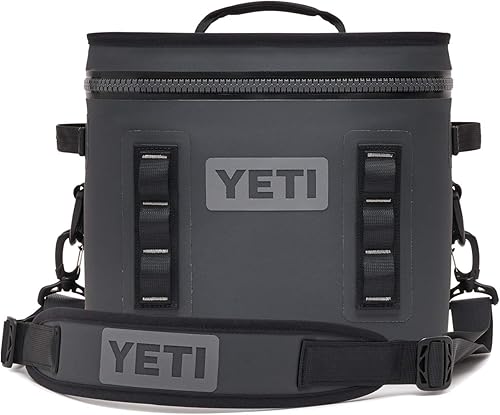
The best soft coolers for day trips include the YETI Hopper M Series for hands-free day trips, the YETI Hopper Flip 12 for lunches for two, and the YETI Hopper Flip 18 for food-heavy day trips.
On this page (8 sections)
The YETI Hopper M Series is our best soft cooler for day trips that involve walking, thanks to its backpack carry and magnetic opening. Choose the Hopper Flip 12 for lunches for two, or the RTIC 20 Can Soft Cooler for lake and pool outings.
Start with the trip you take most often. A cooler for a walk to a fishing spot needs a different carry setup from a bag that moves between your kitchen, car and picnic table.
If you're choosing between bag and hard-shell designs, read our hard cooler vs soft cooler guide. For longer outings, compare our guides to camping coolers and coolers for ice retention.
Our picks at a glance
-
1

-
2
-
3

- 4
 Best for lake and pool daysCheck it
- 5
 Check it
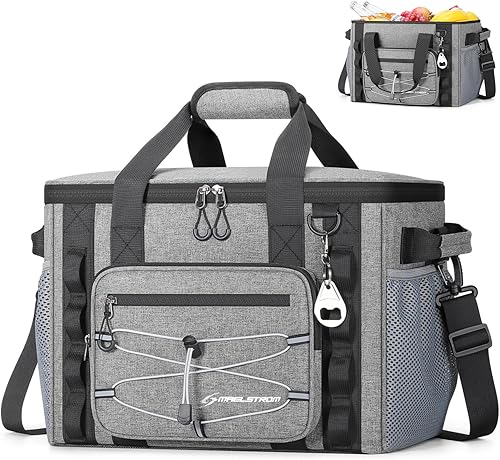
Maelstrom 30/40 Can Soft Cooler
Best for group picnics - 6
 Best for commuters and errandsCheck it
The best soft coolers for different trips
The M Series leads for backpack carry, while the smaller Flip models suit meal-sized loads and the folding bags suit easier storage. Choose the feature that solves a regular part of your trip, rather than paying for something you'll rarely use.
YETI Hopper M Series
- Backpack carry
- MagShield magnetic access
- ColdCell closed-cell foam
- HitchPoint grid
Choose this backpack cooler when the walk from your vehicle is a major part of the trip. Its magnetic opening stays open for loading and closes with a gentle push.
Pros
- Leaves your hands available
- Opening stays open for loading
- Grid accepts compatible accessories
Cons
- Heavy before food and ice go in
- Closure is ultra-leak-resistant rather than fully leakproof
YETI Hopper Flip 12
- Up to 12 cans plus ice
- ColdCell closed-cell foam
- HydroLok zipper
- Wide opening
A compact choice for lunch and drinks for two, with a wide opening for reaching food containers. Pick it when a larger cooler would mostly add bulk.
Pros
- Capacity includes an ice allowance
- Smaller footprint than the Flip 18
- Waterproof DryHide shell
Cons
- Limited space for shared meals
- Less room for extra drinks than the Flip 18
YETI Hopper Flip 18
- Up to 16 cans plus ice
- ColdCell closed-cell foam
- HydroLok zipper
- Detachable shoulder strap
The larger Flip suits a fuller meal plan or extra drinks without moving to a group-size bag. A detachable shoulder strap and reinforced handles offer different carrying options.
Pros
- More packing room than the Flip 12
- Detachable shoulder strap
- Waterproof DryHide shell
Cons
- Needs more storage space than the Flip 12
- Shoulder carry leaves the load on one side
RTIC 20 Can Soft Cooler
- RTIC claims up to 2 days of cooling with its cooling tips
- Floating design
- Up to 1.5 in of closed-cell foam
- Waterproof zipper
Choose this floating cooler for outings centered on the water. Its waterproof zipper and included shoulder strap suit carrying chilled food and drinks to the shore.
Pros
- RTIC says it floats
- Leakproof zipper
- Included shoulder strap
Cons
- Cooling claim depends on RTIC's cooling tips
- Floating design can drift if unsecured
Maelstrom 30/40 Can Soft Cooler
- 30 cans of 330 ml
- 22 L capacity
- Multiple pockets
- Collapsible design
The 30-can version suits shared picnic supplies and folds down between outings. Separate pockets keep utensils and other small items outside the main chilled compartment.
Pros
- Room for a shared food and drink load
- Several storage pockets
- Side handles allow a shared carry
Cons
- Can count doesn't specify an ice allowance
- 30-can figure uses 330 ml drinks
RTIC Everyday Soft Cooler
- Available in 6, 8, 15 and 28 can sizes
- Collapses into its lid
- Interior and exterior pockets
- Removable bottle opener
An everyday bag for lunches, short outings and keeping small essentials organized. It collapses into its lid when you need the storage space back.
Pros
- Several size choices
- Folds into its lid
- Interior and exterior organization
Cons
- No specific leakproof closure claim
- Dimensions vary with the selected size
How we chose the best soft coolers
We compared usable capacity, carry options, closures, insulation and storage design to match these coolers to specific buyers. The scores reflect those features and their fit for day trips, with products shown in descending score order.
Cooling claims need context: starting temperatures, ice quantity, shade and opening frequency all affect results. A longer claimed duration doesn't automatically make a cooler the better choice for lunch or a short picnic.
We also kept capacity measures separate. A can count that includes ice is more useful for planning chilled drinks than a count that only describes how many containers fit.
Soft cooler comparison
Choose by carrying method and packing needs first, then use the table to check fit. Outside dimensions help you plan vehicle space, but they don't describe the room available for food containers inside.
| Product | Best for | Carry style | Dimensions | Weight | Our score |
|---|---|---|---|---|---|
| YETI Hopper M Series | hands-free day trips | Backpack | 9.9 x 15.3 x 18.1 in | 7.9 lb | 8.4 |
| YETI Hopper Flip 12 | lunches for two | 12 5/8 x 10 x 11 1/2 in | 8.2 | ||
| YETI Hopper Flip 18 | food-heavy day trips | 15 2/3 x 10 1/5 x 12 3/5 in | 8.1 | ||
| RTIC 20 Can Soft Cooler | lake and pool days | 9.49 x 13.71 x 13.67 in | 3.5 lb | 8.0 | |
| Maelstrom 30/40 Can Soft Cooler | group picnics | 0.82 kg | 7.4 | ||
| RTIC Everyday Soft Cooler | commuters and errands | 10.83 x 13.27 x 11.66 in | 2.7 lb | 7.0 |
YETI Hopper M Series
- Backpack carry
- MagShield magnetic access
- ColdCell closed-cell foam
- HitchPoint grid
Choose this backpack cooler when the walk from your vehicle is a major part of the trip. Its magnetic opening stays open for loading and closes with a gentle push.
Pros
- Leaves your hands available
- Opening stays open for loading
- Grid accepts compatible accessories
Cons
- Heavy before food and ice go in
- Closure is ultra-leak-resistant rather than fully leakproof
The M Series is the right choice when carrying the cooler is part of the outing. Its backpack format keeps your hands available for other gear on the walk to a picnic area, campsite or fishing spot.
MagShield access holds the opening open while you load, then seals with a gentle push. That suits packing several containers without holding the mouth apart, though YETI describes the closure as ultra-leak-resistant rather than fully leakproof.
ColdCell closed-cell foam provides insulation, and YETI says the high-density DryHide shell resists punctures and UV rays. The HitchPoint grid accepts compatible accessories, so choose attachments that serve a purpose rather than adding extra weight.
The main tradeoff is its 7.9 lb empty weight. Backpack carry changes how you carry the load, but it doesn't reduce the weight of drinks, ice and the cooler itself.
Buy it if your usual route involves a walk and you value magnetic access. Skip it if the cooler mostly stays beside your car, or if you want the lightest starting point for a small lunch.
YETI Hopper Flip 12
- Up to 12 cans plus ice
- ColdCell closed-cell foam
- HydroLok zipper
- Wide opening
A compact choice for lunch and drinks for two, with a wide opening for reaching food containers. Pick it when a larger cooler would mostly add bulk.
Pros
- Capacity includes an ice allowance
- Smaller footprint than the Flip 18
- Waterproof DryHide shell
Cons
- Limited space for shared meals
- Less room for extra drinks than the Flip 18
The Flip 12 suits lunches for two or a personal day-out load. Its wide opening helps you reach containers without choosing a larger bag just for easier access.
Capacity is up to 12 cans plus ice, but that describes a drink load rather than a complete picnic. Sandwich boxes, fruit containers and tall bottles use space differently, so plan around the food you actually pack.
It combines ColdCell foam with a HydroLok zipper that YETI describes as fully leakproof. YETI also says the waterproof DryHide shell resists punctures and abrasions, making it a fit for trips where the bag may brush against outdoor gear.
Choose this size if a larger cooler would tempt you to carry unnecessary drinks or leave bulky empty space. Keeping the load modest also makes moving between the car, lunch spot and home more manageable.
Skip it for shared meals with several containers, or when you need spare drinks for a group. Before choosing a larger model, check whether a flatter lunch container would make better use of this compact format.
YETI Hopper Flip 18
- Up to 16 cans plus ice
- ColdCell closed-cell foam
- HydroLok zipper
- Detachable shoulder strap
The larger Flip suits a fuller meal plan or extra drinks without moving to a group-size bag. A detachable shoulder strap and reinforced handles offer different carrying options.
Pros
- More packing room than the Flip 12
- Detachable shoulder strap
- Waterproof DryHide shell
Cons
- Needs more storage space than the Flip 12
- Shoulder carry leaves the load on one side
The Flip 18 is the better choice when a compact lunch cooler leaves too little room for your meal plan. It holds up to 16 cans plus ice, giving it more room than the Flip 12 without moving to a large group bag.
Its detachable shoulder strap and reinforced handles suit different parts of the carry. Use the handles for short lifts, and adjust the strap before loading so the bag hangs where you can manage it comfortably.
The construction includes ColdCell foam, a waterproof DryHide shell and a HydroLok zipper that YETI describes as fully leakproof. Those features suit carrying chilled food with loose ice when you follow the cooler's use guidance.
Buy it for food-heavy day trips, extra drinks or meals that need several separate containers. The additional space is useful when it serves a regular packing need, rather than an occasional possibility.
Skip it if storage space is tight or your usual lunch already fits a smaller bag. For a long walk, compare the loaded shoulder carry with a backpack design, since a fuller cooler places more weight on one side.
RTIC 20 Can Soft Cooler
- RTIC claims up to 2 days of cooling with its cooling tips
- Floating design
- Up to 1.5 in of closed-cell foam
- Waterproof zipper
Choose this floating cooler for outings centered on the water. Its waterproof zipper and included shoulder strap suit carrying chilled food and drinks to the shore.
Pros
- RTIC says it floats
- Leakproof zipper
- Included shoulder strap
Cons
- Cooling claim depends on RTIC's cooling tips
- Floating design can drift if unsecured
The RTIC 20 Can Soft Cooler is the clearest fit for buyers who want a floating cooler for lake or pool days. RTIC says it floats, and it includes a shoulder strap for the trip to the water.
A floating bag still needs attention around currents and wind. Keep it within reach, secure it where appropriate and avoid treating flotation as protection for phones or other water-sensitive belongings.
The cooler uses a heavy-duty nylon exterior and up to 1.5 in of closed-cell foam. RTIC describes the EZ waterproof zipper as fully leakproof and claims up to 2 days of cooling when you follow its cooling tips.
That claim supports planning around careful packing, not leaving the bag open in the sun. Food temperature still needs checking if you carry perishables, especially during a long outing.
Choose it when water use is a real part of your routine. Skip it if folding storage matters more, and don't read the 20 Can name as a promise that your drinks, lunch containers and cooling supplies will all fit together.
Maelstrom 30/40 Can Soft Cooler
- 30 cans of 330 ml
- 22 L capacity
- Multiple pockets
- Collapsible design
The 30-can version suits shared picnic supplies and folds down between outings. Separate pockets keep utensils and other small items outside the main chilled compartment.
Pros
- Room for a shared food and drink load
- Several storage pockets
- Side handles allow a shared carry
Cons
- Can count doesn't specify an ice allowance
- 30-can figure uses 330 ml drinks
The Maelstrom is a practical choice for group picnics and shared supplies, especially when storage space matters between trips. This comparison covers the 30-can version, despite the broader 30/40 Can product name.
Its stated capacity is 30 cans of 330 ml, or about 22 L. That count doesn't specify extra room for ice, so reduce your drink plan once food and cooling supplies enter the picture.
The separate pockets help divide utensils, napkins and other small items from the chilled compartment. A detachable adjustable strap, top handle and side handles offer several carrying options, including sharing the load between 2 people.
Maelstrom claims up to 24 hours of cooling with ice from its 5-layer design. It also describes the welded PEVA main compartment as leakproof; keep the bag upright rather than assuming every exterior pocket and opening contains water.
Buy it for a shared lunch or drink run that ends with the bag folded away. Skip it if your top need is backpack carry, or if you need a group load that leaves substantial extra room for ice.
RTIC Everyday Soft Cooler
- Available in 6, 8, 15 and 28 can sizes
- Collapses into its lid
- Interior and exterior pockets
- Removable bottle opener
An everyday bag for lunches, short outings and keeping small essentials organized. It collapses into its lid when you need the storage space back.
Pros
- Several size choices
- Folds into its lid
- Interior and exterior organization
Cons
- No specific leakproof closure claim
- Dimensions vary with the selected size
The RTIC Everyday suits commuting, errands and short outings where organization and easy storage matter most. Interior and exterior pockets give you places for napkins, utensils and other small items that shouldn't disappear beneath your lunch.
The range includes 6, 8, 15 and 28 can sizes. Pick a size for your normal routine rather than assuming the largest option will be equally convenient for a single meal.
RTIC uses closed foam insulation and claims all-day cooling, without a fixed hour count. The model also includes a removable stainless steel bottle opener and collapses into its own lid after use.
That folding design makes sense if the cooler shares a cupboard or vehicle with other gear. Empty and dry it fully before folding, since compact storage can trap moisture in creases.
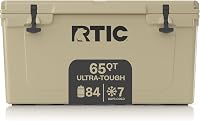
Buy it when the bag moves between work lunches, groceries and casual picnics. Skip it if you need a floating design or a specific leakproof closure: don't assume it has the same water-handling features as RTIC's Ultra-Tough model above.
How to choose the best soft cooler for your load
Choose a cooler around your normal meal plan, cooling supplies and carry distance. A bag that fits those needs will be more useful than one chosen by its highest can count.
Which soft cooler size fits your meals?
Lay out the containers and drinks you usually take before choosing a size. Include frozen packs or the space needed for ice, rather than treating cooling supplies as something to squeeze in last.
Check the shape of your largest container first. A wide lunch box can be harder to fit than several cans, while a tall bottle needs enough clearance for the closure to shut without pressure.
Exterior measurements help you assess car or cupboard space, but insulation and seams reduce the usable interior. Avoid buying around an exact fit with no room to rearrange the contents.
For occasional group trips, consider splitting the load between food and drinks instead of carrying an oversized bag every day. That can also reduce how often the food compartment gets opened.
How far will you carry the packed cooler?
Choose backpack carry for hands-free walking and handles for short moves where you can set the cooler down often. A shoulder strap can work between the car and picnic table, but a heavy load on one side becomes less appealing as the walk grows.
Think about the return trip, too. Meltwater and unfinished drinks can leave the cooler heavy even after lunch, so don't judge the carry only by the empty bag.
If moving a full load is your main concern, compare our best wheeled coolers. Check the route first, since steps, sand and rough paths change how useful wheels will be.
Which closure suits your routine?
Choose magnetic access for the way it opens and closes, or a leakproof zipper when containing meltwater is a priority. Neither approach removes the need to close the cooler properly after each use.
Check that food containers, straps or packaging aren't caught in the opening. Overpacking can prevent a full seal even when the closure itself is designed to resist leaks.
Keep grit away from the sealing area and zipper track. After a beach trip, remove sand gently and follow the brand's instructions for closure care rather than forcing a stiff zipper.
When is a hard cooler a better choice?
A hard cooler is worth considering when you need a rigid box, a larger shared load or a base-camp setup that stays in place. A soft bag makes more sense when its carry format and storage flexibility solve a specific need.
Use our guide to hard, wheeled and soft camping coolers to compare those formats. Choosing the right type comes before choosing a brand.
How to pack a soft cooler before a day trip
Start with cold food, cold drinks and enough cooling supplies, then arrange the load so you can reach lunch without unpacking everything. Insulation slows warming; it doesn't replace the work of chilling warm contents.
Chill the contents before loading
Refrigerate drinks and food before they go into the cooler. Adding warm bottles uses cooling capacity that could otherwise help maintain the temperature of an already cold load.
If the care instructions allow it, pre-chill the cooler with ice or frozen packs before the final pack. Remove leftover water as needed so your food containers start in a clean compartment.
Pack shortly before leaving rather than loading early and leaving the bag in a warm hallway or vehicle. Move it into shade once you reach your destination.
Pack in the order you'll use things
Put heavier, sturdy items low in the bag and protect soft food from being crushed. Keep the first meal or frequently used drinks easy to reach so each opening stays brief.
Use sealed containers for food that shouldn't touch meltwater. Exterior storage pockets are useful for dry supplies, but don't count on them to keep snacks chilled.
Keep raw foods sealed and separate from ready-to-eat items. If the meal plan involves several food types, simplify the pack rather than forcing everything into one crowded compartment.
Choose ice or frozen packs around the contents
Frozen packs help keep lunch containers dry, while loose ice fills gaps around irregular shapes. Use either according to the cooler's instructions, and leave enough space to close the bag without strain.
Don't remove cooling supplies just to reach an advertised drink count. For more packing methods, read our guide to keeping ice longer in a cooler.
Carry a food thermometer when temperature control matters. Ice remaining in one corner doesn't tell you the temperature of every food container elsewhere in the bag.
Common soft cooler mistakes to avoid
The biggest mistakes are overpacking, starting with warm contents and leaving the opening unsealed. Fixing those habits is often more useful than choosing a larger bag.
Don't treat water resistance, a leakproof liner and a leakproof closure as interchangeable. Keep the bag upright in your vehicle and away from belongings that could be damaged by a spill.
Avoid leaving the cooler in direct sun while everyone gathers around it. Set it in shade and return drinks promptly instead of keeping the opening exposed during a long conversation.
Don't rely on a claimed cooling duration to decide whether food is safe. Plan ice replacement and check food temperatures during longer outings, especially when the weather is warm.
For overnight stays, choose around the full food plan and access to replacement ice. Our best coolers for camping guide covers options for trips that ask more of a cooler than a picnic does.
How to clean and store a soft cooler
Clean the cooler after each trip and let it dry fully before closing or folding it. Trapped food residue and moisture are the main problems to prevent between uses.
Empty meltwater and remove crumbs, then follow the brand's care directions. Mild soap, water and a soft cloth are a sensible starting point when those directions allow them.
Avoid harsh scrubbing that could damage the liner, seams or coating. Rinse away soap and wipe the folds and corners where residue collects.
Dry the main compartment with the opening exposed, and check pockets separately. Fold a collapsible bag only after its hidden creases and lid are dry.
Give the closure a final check before storage so it is ready for the next trip. For deeper cleaning and odor removal, see our guide to cleaning a cooler.
Which soft cooler should you choose?
Choose the best soft cooler for the job you repeat most often: the M Series for walks with other gear, the Flip 12 for compact lunches, or the Flip 18 when your food containers need more room.
Pick the RTIC 20 Can for outings where its floating design has a purpose. Choose Maelstrom for shared picnic supplies and folding storage, or the RTIC Everyday for organized lunches and errands.
Before buying, settle 3 things: the containers you need to fit, the cooling space they leave and the distance you'll carry the packed bag. If those answers point toward a different format, use our hard vs soft cooler guide to make the final choice.
Our top 3 picks at a glance
-
1
-
2
-
3
Frequently asked questions
Are soft coolers good for day trips?
Yes, soft coolers suit day trips when you leave enough room for food, drinks and cooling supplies. Match the carry style to the walk from your vehicle, and keep the cooler shaded and closed between uses.
For longer stays, plan how you'll replace ice rather than relying on a cooling claim.
Which soft cooler is easiest to carry?
The YETI Hopper M Series is the strongest choice here when you need your hands available during a walk. For short carries, a smaller bag may be easier because the empty cooler and its contents weigh less.
Choose around your packed load and route, rather than the handle style alone.
How long do soft coolers keep ice?
Ice life depends on starting temperatures, weather, packing and how often you open the cooler. RTIC claims up to 2 days of cooling for its 20 Can model under its cooling guidance; Maelstrom claims up to 24 hours with ice.
Neither claim gives a fixed ice-retention time for your trip.
Can a soft cooler hold loose ice?
Use loose ice only when the cooler's instructions allow it, and check the closure as well as the liner. A watertight main compartment doesn't make every zipper or pocket leakproof.
Keep the bag upright, close it fully and use sealed food containers to keep meltwater away from your lunch.
What size soft cooler should I get?
Choose the smallest cooler that holds your usual food, drinks and enough ice or frozen packs without straining the closure. Compare actual container shapes, since lunch boxes and bottles pack differently from cans.
A group drink count also needs an ice allowance before it becomes a useful meal-planning measure.